Close
|
|


|
|


Follow us on 
@Ask_ICAR for daily updates.
Your job requires that you keep on top of the latest in vehicle, tool, and equipment technology – I-CAR is committed to helping you do so in one convenient place. We regularly publish new articles highlighting the latest and greatest collision repair information.
So check back often and follow us on X @Ask_ICAR to ensure you’re equipped with the most up-to-date collision repair technical information available in the industry.
Does this sound familiar? You're researching online and find the documentation, article, or procedure you were looking for and now all you need to do is print.
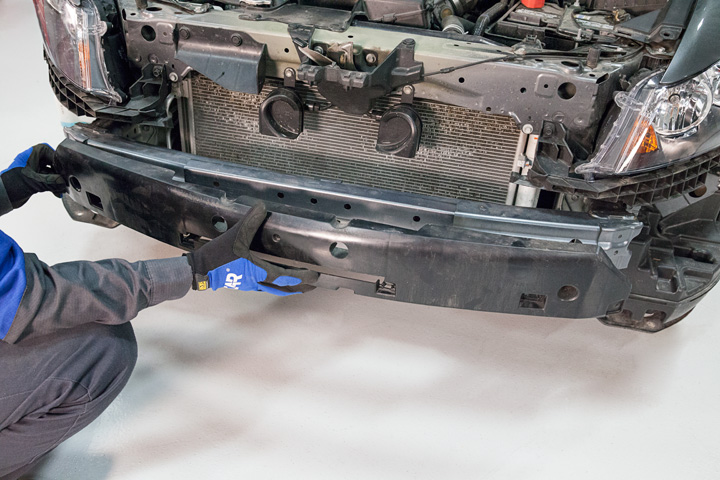
Let's go back to basics with the ever-popular what to do with bumper energy absorbers, crush boxes, and bumper reinforcements.
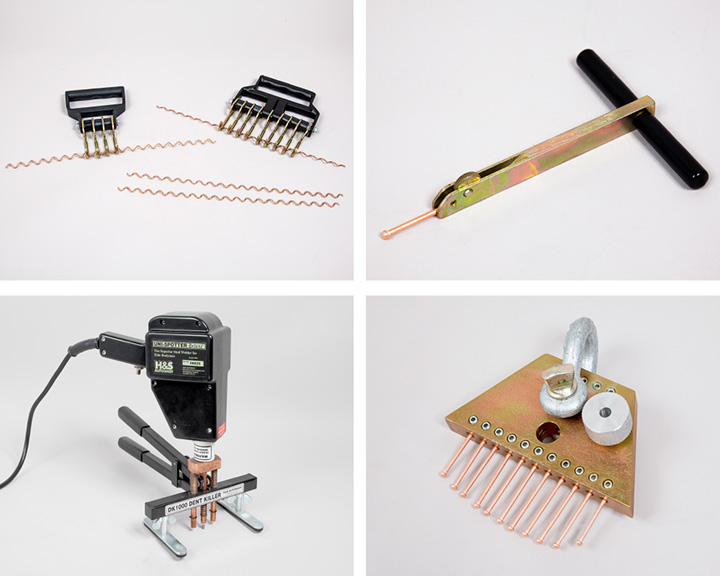
When the only option for removing structural damage is a weld-on attachment (not an outer uniside), what do you do?
How familiar are you with the model line for Mini? They are all considered Mini Coopers, but there's a little bit more to it than that.
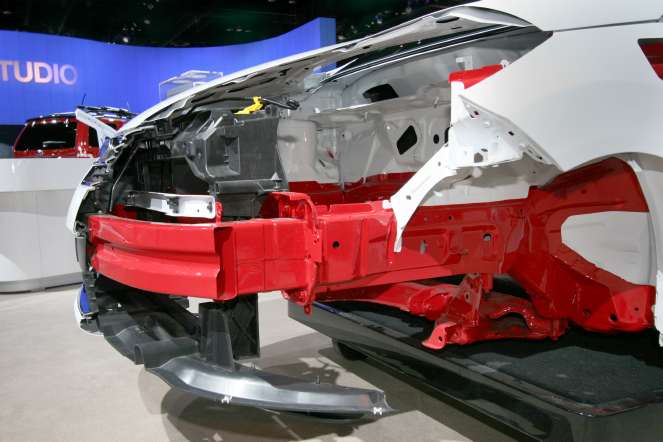
Crush zones are designed into the vehicle to absorb collision energy by collapsing or bending a part in a controlled manner.

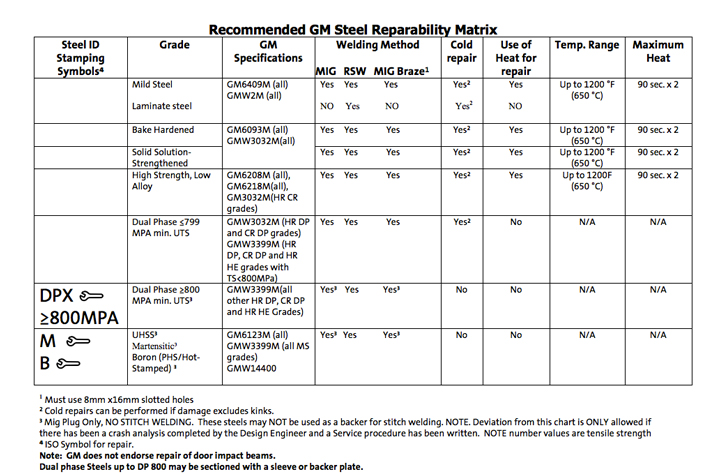
The Recommended GM Steel Repairability Matrix is a chart that identifies GM’s repair recommendations according to the type of steel that the part is made from. The matrix contains information on the steel identification stamping symbols, steel grade, GM specifications, recommended welding methods, cold repairability, use of heat for repairs, the temperature range that should be used, and the maximum heat allotment. The second page of the matrix is a chart of Descriptions of GM Steel.
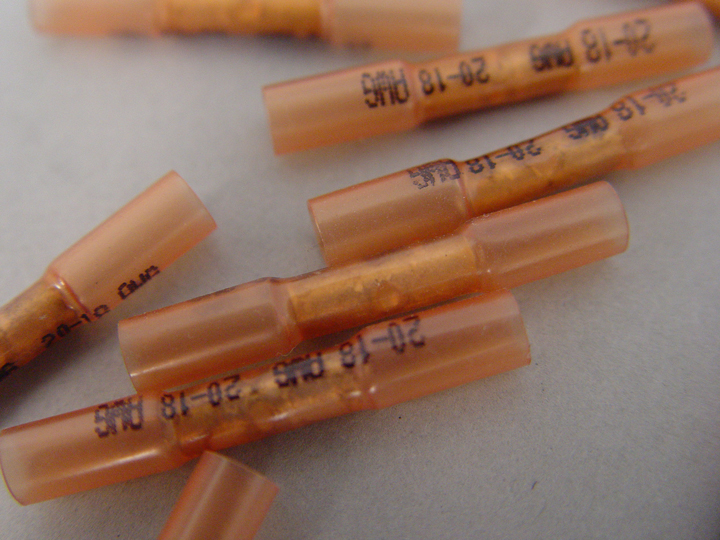 Figure 1 - These crimp and seal splice sleeves have special heat shrink sleeves on each end that shrink around the wire and form an air-tight seal.Confusion exists within the collision industry concerning the repair of some damaged wiring and wiring connectors for restraints systems. The perception is that restraints system wiring should never be repaired. While it is true that some vehicle makers do not recommend the repair of wiring and connectors for the restraints system, others have very detailed printed procedures and even offer repair kits expressly for the repair of restraints system wiring. Repairing damaged restraints system wiring, when applicable and the parts and procedures are available, can save unnecessary replacement of the main body and instrument panel wiring harnesses.
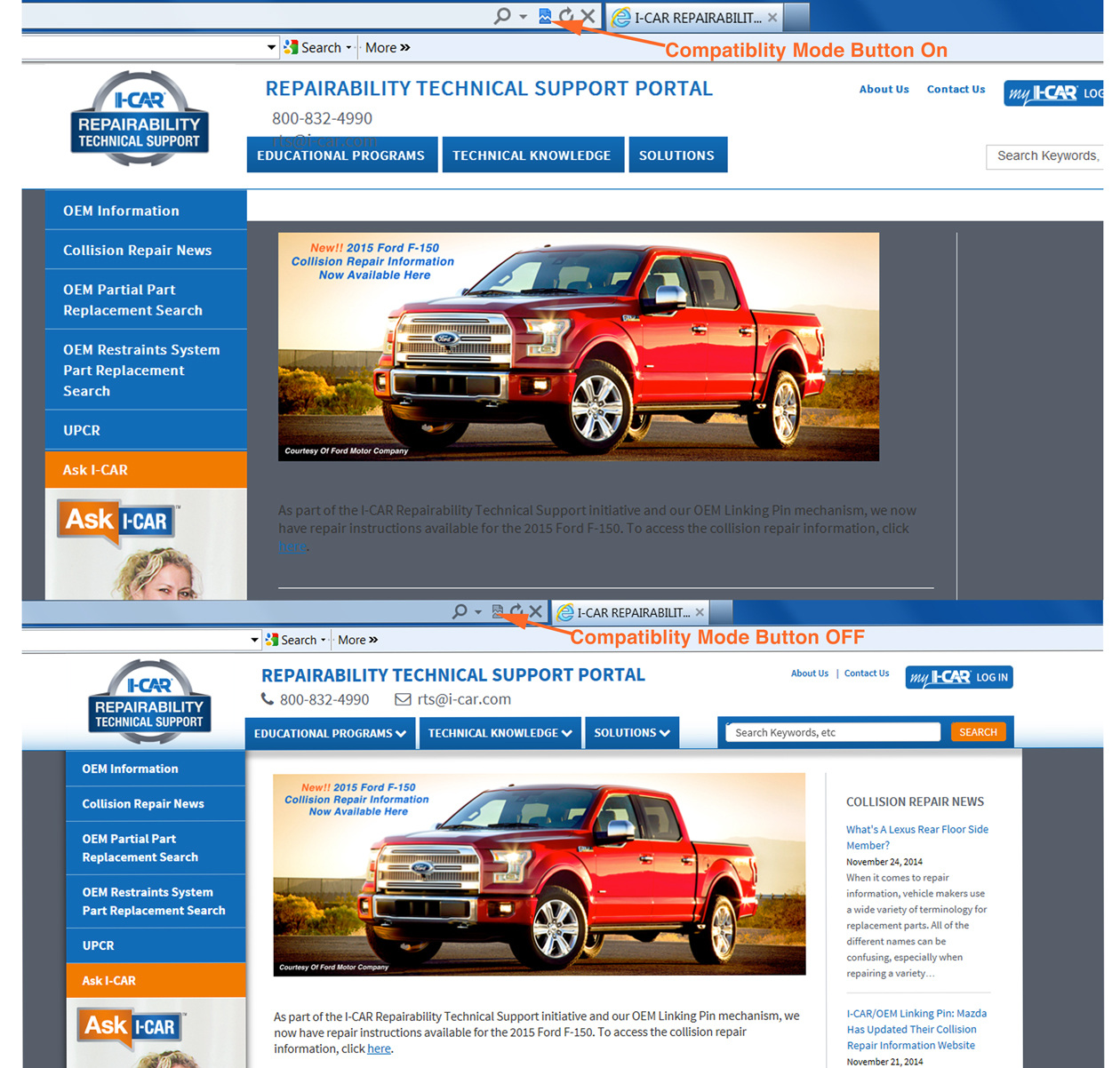
I-CAR published this article to help with an issue due to compatibility mode on internet explorer, we have now added a video based on customer feedback below.
If a website seems to be broken, the problem often times is a browser setting on your computer called compatibility mode. This is a tool that Internet Explorer has so that older websites will still display correctly, the only problem is that it will also cause the newer websites to display in an almost unreadable way. It is common for Internet Explorer to have compatibility mode set to "Display All Websites In Compatibility Mode". If this is the case then some of the websites you visit will not display correctly.
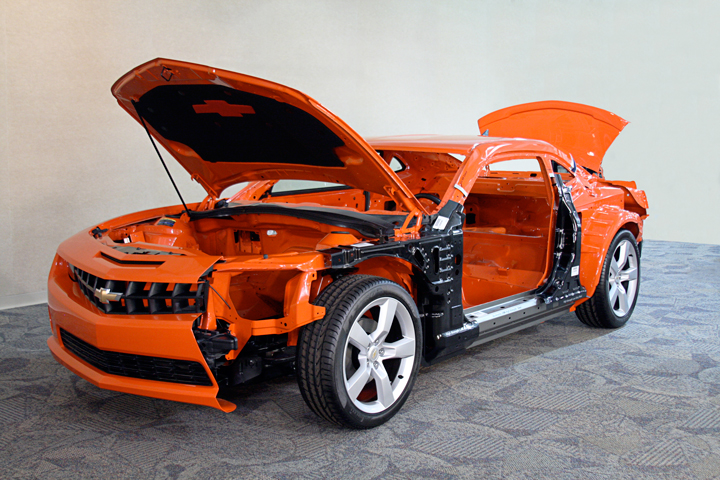
The 2010-2015 Chevrolet Camaro is built on a General Motors global rear-wheel drive platform and shares some of the same chassis parts with the Pontiac GTO and G8. Although the new Camaro looks like a 1969 Camaro, it is quite different from a collision repair point of view. This article covers some of the repair options and considerations when working on a collision-damaged Camaro. General Motors body repair procedures and mechanical/electronic systems can be accessed by visiting www.acdelcotds.com.
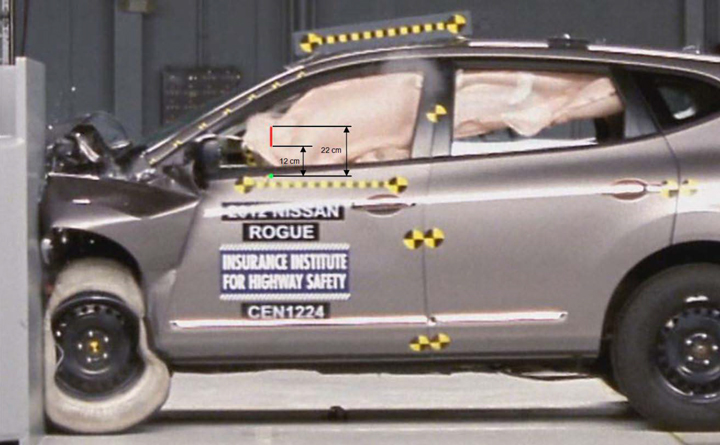
By now, we've all seen the new Insurance Institute for Highway Safety (IIHS) videos of the small overlap frontal crash test. IIHS has just released a study called Structural Design Strategies for Improved Small Overlap Crashworthiness Performance.
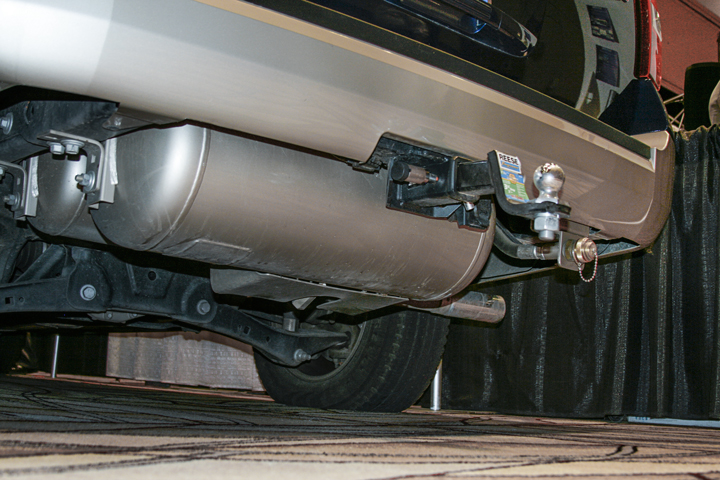
What needs to be done before starting work on a compressed natural gas (CNG) or liquefied petroleum gas (LPG or propane) vehicle?
HOFFMAN ESTATES, IL – January 22, 2015 – I-CAR®, the Inter-Industry Conference on Auto Collision Repair, announced today the launch of the OEM Hybrid and Electric Vehicle Disable Search on the I-CAR Repairability Technical Support (RTS) Portal as part of its continuous effort to build a robust, centralized hub of valuable industry information to give collision repair professionals the answers they need as quickly as possible.
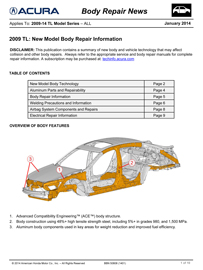
Acura released Body Repair News bulletins for the 2009-2014 Acura TL, 2015-2020 Acura TLX, and 2014-2020 Acura RLX & RLX Sport Hybrid Series.
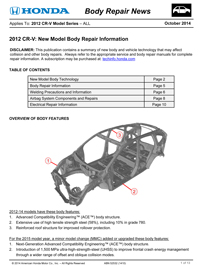
Honda released Body Repair News bulletins for the 2012-2025 Honda CR-V and the 2009-2015 Honda Pilot
As the industry continues to ask if pre- and post-repair system scanning is necessary, Toyota/Lexus/Scion provides their answer.
Are you wondering if a particular OEM or organization has a published statement on pre-repair and post-repair scanning? We have compiled a list of most of the statements on the subject, so you can...
Since advanced driver assistance systems (ADAS), scanning, and calibration first started becoming relevant, members of the collision repair industry have required as much knowledge as possible on...
BMW has released a position statement related to pre- and post-repair system scanning. The statement applies to All vehicles equipped with on board diagnostics II (OBD II).
Honda/Acura has updated their position statement on pre- and post-repair scanning to give additional clarification on what is expected for scanning.
The I-CAR best practice article, Recycled Outer Quarter Panels w/Rolled Hem Flanges has gotten a lot of interest from the collision repair industry. It’s important to know which vehicles are...
As the industry continues to ask, are pre- and post-repair scans necessary, General Motors provides their answer.
Over the past few months, we've been sharing OEM position statements on restraints wiring repairs. Now we're bringing them all together in one place for easy reference.
Technicians should be aware of what’s required to keep advanced driver assistance systems (ADAS) running safely after a collision. Whether that be aiming a camera, which can cause a system to not...
FCA/Stellantis has released a position statement related to pre- and post-repair system scanning.
General Motors (GM) has a position statement on trailer hitch repair, first released in June 2026 and revised in September 2026.
Sometimes seeing is understanding, that’s why I-CAR's technical team created the Just in Time video series to guide you through a variety of collision repair topics from ADAS and EVs to repair tips...
Attending the SEMA Show in Las Vegas this year? Well, I-CAR will be providing many different opportunities to connect with you at this year’s show.
One of the top technical inquires received at Ask I-CAR, "Is there a sectioning or partial replacement procedure available?" To help answer this question, RTS has an OEM Partial Part Replacement...
One of the top technical inquiries received at Ask I-CAR, “Is there a sectioning or partial replacement procedure available?” To help answer this question, RTS has an OEM Partial Part Replacement...
I-CAR is having a discussion on FCA/Stellantis sectioning guidelines.
Sometimes, going back to basics can make the difference between a quality repair and a failed repair. There are a few things to keep in mind when it comes to GMA welding with adhesive bonding.
What should you do when a damaged Lucid comes into your repair facility? Do you measure it? Can it be straightened? What needs to be replaced?
We are often asked, “What do I do if there isn’t a procedure to replace a service part?” Let’s see what Toyota/Lexus says.
As the industry continues to ask, are pre- and post-repair scans necessary, Lucid provides their answer.