






 Print
Print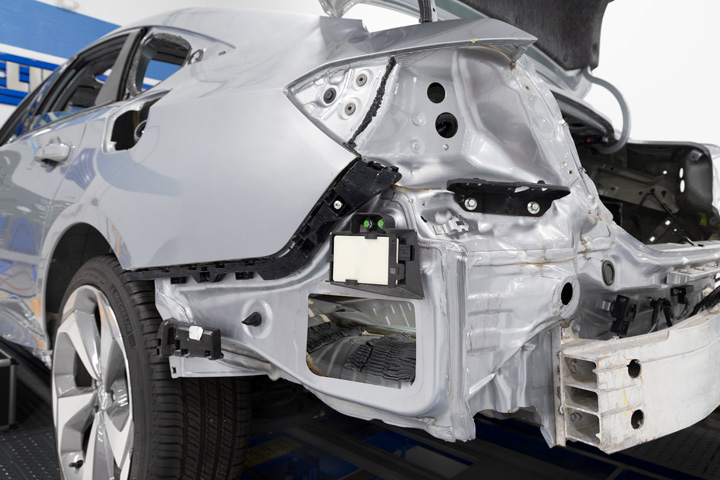
Sometimes, going back to the basics can make the difference between a quality repair and a failed repair. Deciding to repair or replace a damaged panel is a daily decision, but it is more complicated than it may seem.
The decision to repair or replace a damaged panel requires evaluating:
- OEM vehicle-specific manuals for repair restrictions
- Panel construction material
- Aluminum, mild steel, high-strength steel, ultra-high-strength steel, dual-phase steel
- Heating restrictions
- Severity of the damage
- Have the factory welds been damaged?
- Are there kinks, cracks, tears, or stretching?
- The location of the damage
- If adhesive is in the repair area, has the adhesive been damaged, requiring panel replacement?
- Is the damage in a high-wear area that is continually subjected to stress?
- Is the damage in an area with crush zones, and have they been deformed?
- Damage accessibility
- If collision damage extends into the vehicle structure, outer panels may need to be removed to access the damage.
- Can the corrosion protection be properly restored if the panel is repaired?
- Durability/longevity of repair area
- If replacement disrupts OEM welds and corrosion protection, repair may be a better option if the damage is not too severe.
- Do the materials used ensure the panel maintains integrity over time?
- Previous repairs
- Excessive paint thickness
- Poor color match
- Poor condition of the previous repair
Always check OEM service information for any information, specifications, and requirements that impact this decision. These repair vs. replace considerations can help ensure a complete, safe, and quality repair.
Additional I-CAR Collision Repair News you may find helpful:
- Back-To-Basics: Door Intrusion Beams
- Back-To-Basics: Removing Parts for Access
- Back-To-Basics: Repair Considerations For A Damaged Hood
- Back-To-Basics: Repair Tolerances
- Kink vs. Bend
- Partial Part Replacement At Factory Seams And Sectioning Hotspot
- Straightening And Heat