 Print
Print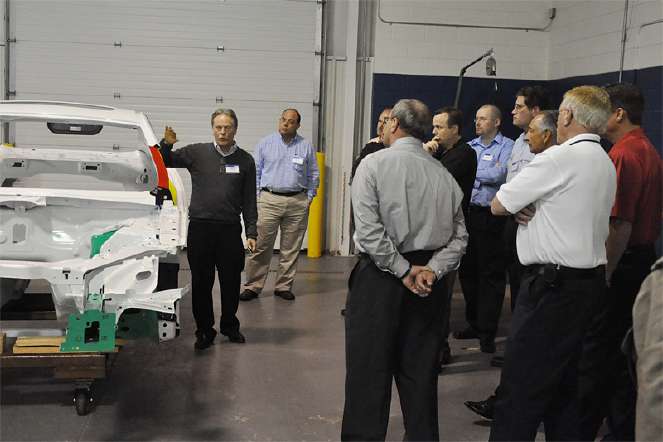
Unless specifically recommended by the vehicle maker, parts with a tensile strength over 600 MPa should only be replaced at factory seams. This is just one of the "best practices" identified at a Repairability Summit hosted by I-CAR. Summit attendees consisted of subject matter experts from vehicle makers, tool and equipment makers, collision repair facilities, insurance companies, and the American Iron and Steel Institute.
The primary intention of the summit was to identify best practices for working with ultra-high-strength steels (UHSS) and the new construction methods found on late model vehicles.
While vehicle maker recommendations should be followed first and foremost, these best practices can be leveraged where none exist. For example, while there's a lot more information on steel strengths in the vehicle service information with each new model year, sometimes the information is not there. Summit attendees discussed various tests the technician can perform in the repair facility that help identify if the steel is mild, HSS, or UHSS (see Figure 1).
Knowledge Gap
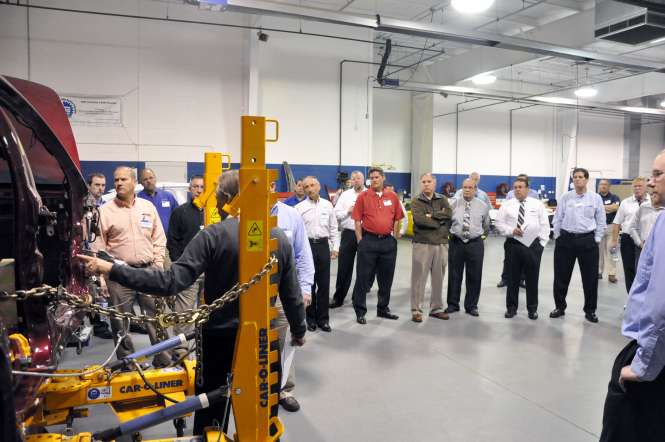 Figure 2 - Industry experts discuss anchoring and structural straightening of UHSS.To prepare what information would be discussed at the summit, I-CAR conducted a survey of technicians in the field, asking what kind of information they would like to see from I-CAR in a future course on the subject of advanced construction. The survey revealed a lack of information among technicians actually making the repairs, and a definite need for a course addressing the subject.
Summit Discussions
The agenda for the summit was laid out like a repair plan. After the discussion on steel strength identification, the group discussed best practices for anchoring and pulling and different removal methods. The created heat-affect zone from heating and removal methods was a major discussion point (see Figure 2). A discussion on attachment methods focused on GMA welding heat-effect on UHSS, the changes in spot weld machine settings, and how destructive testing of spot 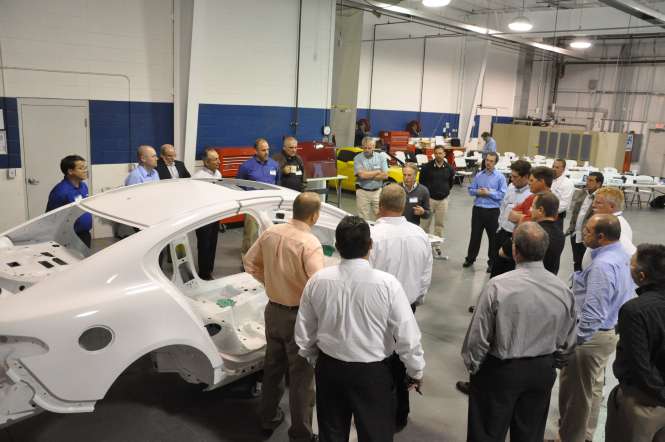 Figure 3 - Industry experts discuss MIG brazing applications.welds differs on UHSS panels compared to HSS or mild steel. Somewhat new attachment methods like MIG brazing and self-piercing rivet bonding were discussed, including the applications where they are recommended and possible future uses (see Figure 3).
To facilitate the conversation, I-CAR brought in two vehicles with similar side damage. The vehicles were of the same make and model, and even though separated by only one model year, the later model contained significantly more UHSS compared to the previous model. The two vehicles were used to identify the necessary changes in repairs due to more use of UHSS.
Summary
It became clear during the recent I-CAR Repairability Summit that vehicles cannot be repaired using the same repair methods that were acceptable just a few years ago. Industry experts that attended the Summit addressed these issues and agreed on a list of best practices that can be used when vehicle maker repair information does not exist.
This article first appeared in the October 10, 2011 edition of the I-CAR Advantage Online.
Related I-CAR Courses
Article validated in 2025