
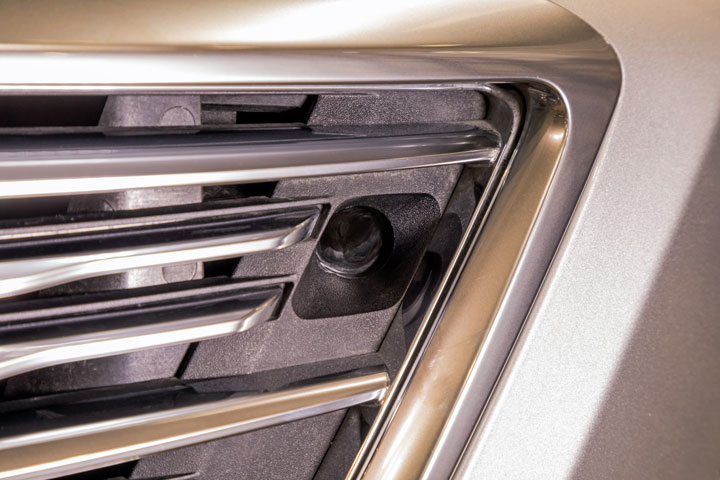
Understanding The Night Vision System

A key part of being able to diagnose a problem with advanced driver assistance systems (ADAS) is understanding how the system works. Knowing what is happening inside the system will help you properly diagnose why the system may be failing. This will prevent replacing parts that are not causing the system issue. Let’s take a look at the inner workings of night vision systems.

Night vision systems extend the perception of the driver beyond the reach of the headlamps. There are two common technologies used, thermal imaging and infrared illumination. These two technologies work differently but can produce similar results.

Thermal imaging uses a thermographic camera. The camera detects heat from objects ahead of the vehicle. It can detect small differences in temperature, allowing the camera to create a detailed visual image. This image is typically displayed on the dash, infotainment screen, or on a head-up display. Some vehicles have this camera technology but do not create an image from the detected heat. Instead, this information is fed into an ADAS, such as collision braking. This allows for better object detection and collision avoidance in low light conditions.

Infrared night vision systems use special infrared “flood lamps” to project infrared light into the surrounding area. The projected light is similar to what is used for many household remote controls. The night vision system is typically activated when the headlamps are on and may detect objects a set distance ahead in darkness. Some systems can detect objects nearly 500 feet (152 m) in front of the vehicle. When it is activated, the system displays the image in black and white on a screen, typically found in the instrument panel or console.

Understanding how the system functions can shorten diagnostic times. Knowing what part of the system to test will help prevent installing parts that don’t actually fix the problem.

Additional I-CAR Collision Repair News you may find helpful:


Related I-CAR Courses

  • Your 2025 Favorites: Top Articles Friday, 16 January 2026

    As 2026 rolls in, we can reflect back on what the previous year had to offer. Let's take a look at some of the collision industry information you've been most interested in from this past year....

  • App-Based Connected Services Considerations: Toyota/Lexus Thursday, 15 January 2026

    Have you had the experience where the vehicle notified the owner that it was being moved while it was in your repair facility? App-based connected services are available from many vehicle makers and may...

  • Digital Key Considerations: Toyota/Lexus Thursday, 15 January 2026

    The intermingling of technology and automobiles continues, with digital key offerings from most vehicle makers. Digital keys utilize smartphone technology to expand vehicle access and owner...

  • Nissan/INFINITI Position Statements: Advanced Driver Assistance System Components Thursday, 8 January 2026

    Nissan/INFINITI released position statements on the use of salvaged, aftermarket, and "secondary-market" advanced driver assistance systems (ADAS) components.

  • I-CAR Repairers Realm: RTS 2025 Year In Review - Now Available Tuesday, 6 January 2026

    I-CAR had a discussion on the Repairability Technical Support (RTS) 2025 year in review.

  • Ford On Target 2025: Volume 4 Monday, 5 January 2026

    Ford has released the fourth installment of their On Target publication for 2025.

  • Structural Sectioning Procedures: Ford/Lincoln - UPDATE Friday, 19 December 2025

    Ask I-CAR receives many technical inquiries referring to sectioning. The collision repair industry wants to know where can you section, does the OEM have a sectioning procedure, and where can I find the...

  • Body Repair Manual Symbols: Hyundai Wednesday, 17 December 2025

    While looking at repair procedures in a body repair manual (BRM) you may notice that symbols are used to indicate specific operations or parts to be used during the repair process. Most BRMs provide a...

  • Body Repair Manual Symbols: Genesis Wednesday, 17 December 2025

    While looking at repair procedures in a body repair manual (BRM) you may notice that symbols are used to indicate specific operations or parts to be used during the repair process. Most BRMs provide a...

  • App-Based Connected Services Considerations: BMW Wednesday, 10 December 2025

    Have you had an experience where the vehicle notified the owner that it was being moved while it was in your repair facility? App-based connected services are available from many vehicle makers and...