Close
|
|


|
|

Follow us on 
@Ask_ICAR for daily updates.
Your job requires that you keep on top of the latest in vehicle, tool, and equipment technology – I-CAR is committed to helping you do so in one convenient place. We regularly publish new articles highlighting the latest and greatest collision repair information.
So check back often and follow us on X @Ask_ICAR to ensure you’re equipped with the most up-to-date collision repair technical information available in the industry.
Repairer Driven News (RDN) published an article on the mixed-material 2019 Toyota RAV4 that outlines some new features that technicians may want to take note of. To help reduce weight, Toyota has used high-strength steal coupled with several light-weight aluminum parts, such as the hood, fenders, and the liftgate.
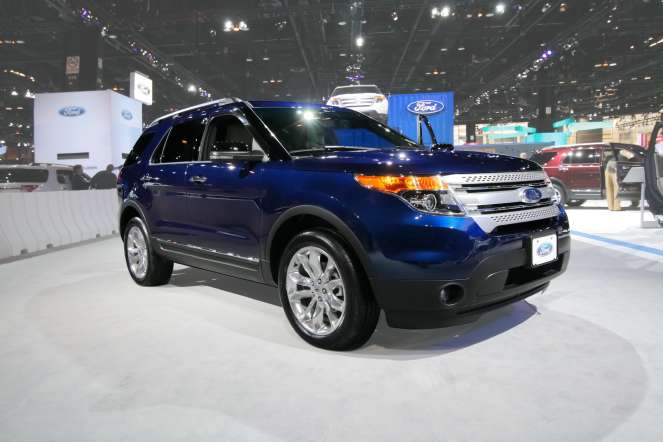
While many have noticed that advanced driver assistance systems (ADAS), are showing up on vehicles, there still is confusion on what is required of these systems after a collision occurs. The Ask I-CAR team frequently get questions in regard to calibration of ADAS. Many of these questions can be answered simply by searching the OEM Calibration Requirements Search. However, there are some questions that may need more details than the calibration search provides. Let’s take a look at the 2019 Ford Explorer ADAS.
As part of the I-CAR Repairability Technical Support (RTS) OEM linking pin activity, we are helping to connect the collision repair industry to the vehicle makers. Recently we had a technical inquiry that asked how to replace the laser weld on the A-Pillar of a 2013 Ford Fusion.
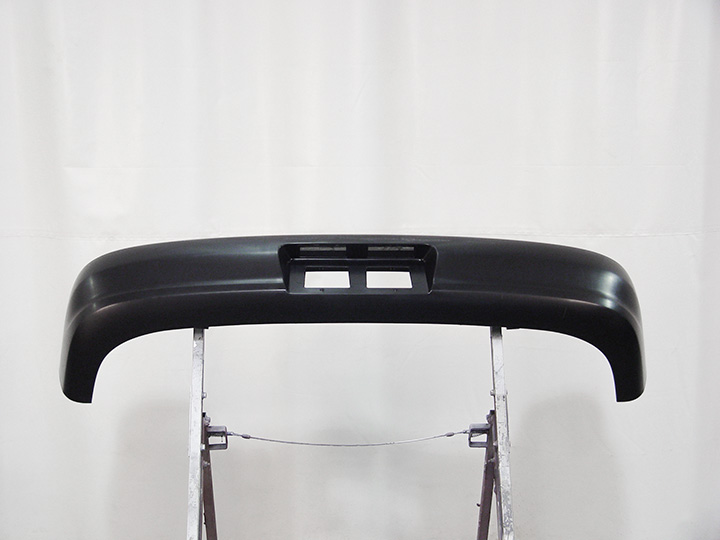
Sometimes, going back to the basics can make the difference between a quality repair and a failed repair. When it comes to preparing and refinishing bare plastic, there are a few things to keep in mind.
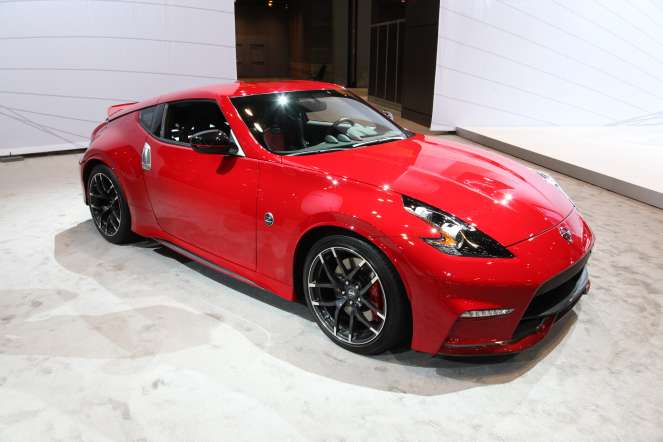
One of the top technical inquires received at Ask I-CAR is, “Is there a sectioning or partial replacement procedure available?” To help answer this question, RTS has an OEM Partial Part Replacement Search that tells you if these procedures are available on a specific vehicle. Let’s take a closer look at the 2019 Nissan 370Z.
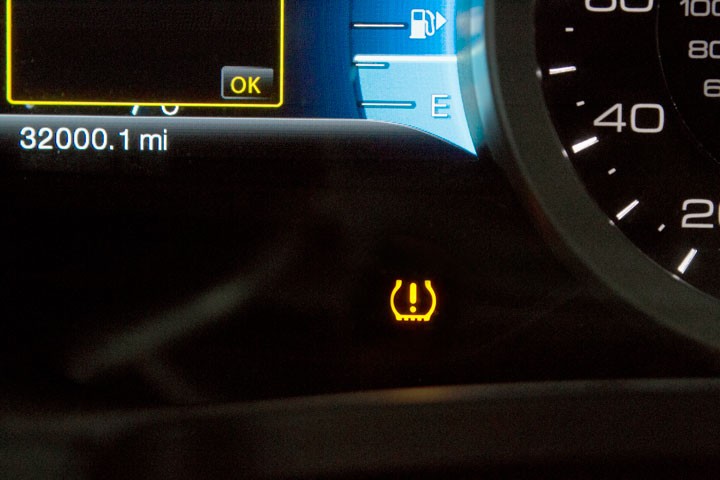
Tire pressure monitoring systems (TPMS) have been mandatory in new vehicles for some time now. Though many repair technicians have encountered them, there are still questions about how they are serviced. There are differences in how TPMS function ranging from simple plug and play sensors to requiring special tools and programing. Different vehicles and OEMs require different steps or procedures when handling TPMS. Let’s have a brief overview of what can be required to repair these systems.

While many have noticed that advanced driver assistance systems (ADAS), are showing up on vehicles. There still is confusion on what is required of these systems after a collision occurs. The Ask I-CAR team frequently get questions in regard to calibration of ADAS. Many of these questions can be answered simply by searching the OEM Calibration Requirements Search. However, there are some questions that may need more details than the calibration search provides. Let’s take a look at the 2019 Toyota Camry ADAS.
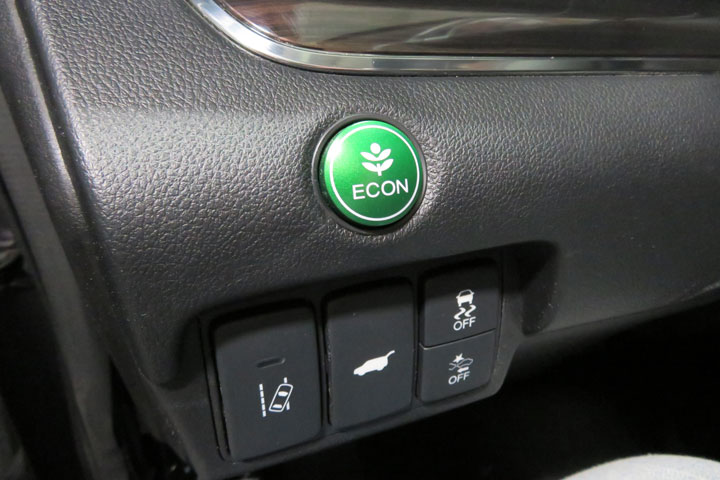
Tightening regulations on fuel economy, along with rising awareness about pollution, have influenced vehicle design and function in recent years. However, most consumers are not willing to sacrifice comfort, vehicle size, or power, so auto makers needed to use different methods to boost fuel economy.

Did you know that Audi provides a build guide for their vehicles, 1999-present? This guide is an invaluable resource in helping you make sure you find the correct body repair manual.

Did you know that Volkswagen provides a build guide for their vehicles, 1999-present? This guide is an invaluable resource in helping you make sure you find the correct body repair manual.
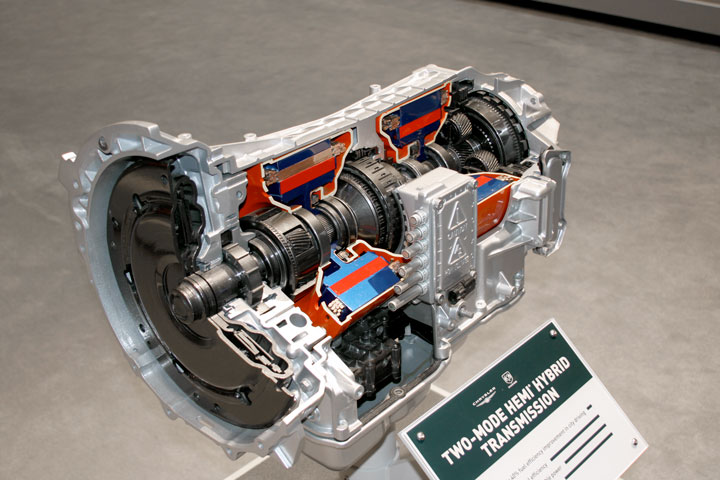
In this series, we look at several methods used to boost fuel economy, different considerations to repair them, and any special precautions the collision repair industry needs to know. Let’s look at transmissions.
Repairer Driven News (RDN) released an article on the 2020 Corvette Stingray, which outlines the variety of materials used in the light-weight construction of the vehicle. The mid-engine vehicle has been called “a smart mixed-materials strategy” by Chevrolet.
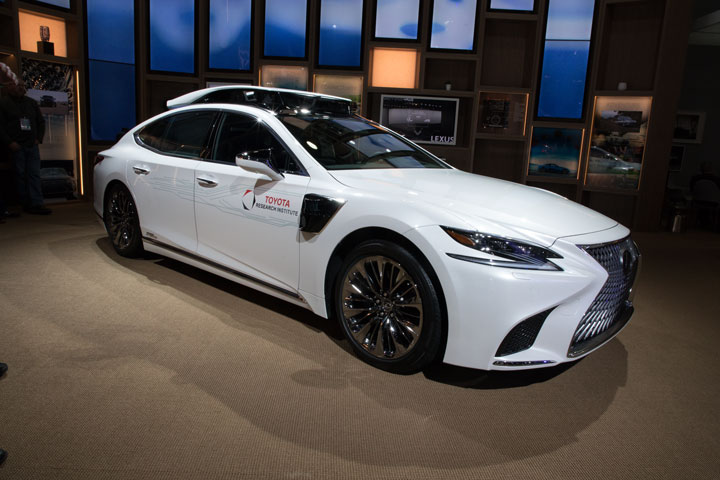
Automotive advanced driver assistance systems (ADAS) are well known and are frequently discussed. These systems bring safety advancements that are unprecedented, and until recently, were just the subject of science fiction.

One of the top technical inquiries received at Ask I-CAR is, “Is there a sectioning or partial replacement procedure available?” To help answer this question, RTS has an OEM Partial Part Replacement Search that tells you if these procedures are available on a specific vehicle. Let’s take a closer look at the 2019 Lexus UX 200.
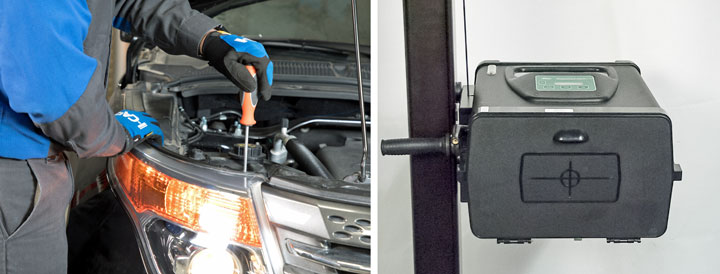
Sometimes, going back to the basics can make the difference between a quality repair and a failed repair. When it comes to headlamp aiming, here are a few things to keep in mind.
As the industry continues to ask if pre- and post-repair system scanning is necessary, Toyota/Lexus/Scion provides their answer.
Are you wondering if a particular OEM or organization has a published statement on pre-repair and post-repair scanning? We have compiled a list of most of the statements on the subject, so you can...
Since advanced driver assistance systems (ADAS), scanning, and calibration first started becoming relevant, members of the collision repair industry have required as much knowledge as possible on...
BMW has released a position statement related to pre- and post-repair system scanning. The statement applies to All vehicles equipped with on board diagnostics II (OBD II).
Honda/Acura has updated their position statement on pre- and post-repair scanning to give additional clarification on what is expected for scanning.
The I-CAR best practice article, Recycled Outer Quarter Panels w/Rolled Hem Flanges has gotten a lot of interest from the collision repair industry. It’s important to know which vehicles are...
As the industry continues to ask, are pre- and post-repair scans necessary, General Motors provides their answer.
Over the past few months, we've been sharing OEM position statements on restraints wiring repairs. Now we're bringing them all together in one place for easy reference.
Technicians should be aware of what’s required to keep advanced driver assistance systems (ADAS) running safely after a collision. Whether that be aiming a camera, which can cause a system to not...
FCA/Stellantis has released a position statement related to pre- and post-repair system scanning.
Attending the SEMA Show in Las Vegas this year? Well, I-CAR will be providing many different opportunities to connect with you at this year’s show.
One of the top technical inquires received at Ask I-CAR, "Is there a sectioning or partial replacement procedure available?" To help answer this question, RTS has an OEM Partial Part Replacement...
One of the top technical inquiries received at Ask I-CAR, “Is there a sectioning or partial replacement procedure available?” To help answer this question, RTS has an OEM Partial Part Replacement...
I-CAR is having a discussion on FCA/Stellantis sectioning guidelines.
Sometimes, going back to basics can make the difference between a quality repair and a failed repair. There are a few things to keep in mind when it comes to GMA welding with adhesive bonding.
What should you do when a damaged Lucid comes into your repair facility? Do you measure it? Can it be straightened? What needs to be replaced?
We are often asked, “What do I do if there isn’t a procedure to replace a service part?” Let’s see what Toyota/Lexus says.
As the industry continues to ask, are pre- and post-repair scans necessary, Lucid provides their answer.
I-CAR had a discussion on Ford advanced driver assistance systems (ADAS) considerations.
Rivian R2 Material Matrix is now available on the RTS portal.