Close
|
|


|
|

Follow us on 
@Ask_ICAR for daily updates.
Your job requires that you keep on top of the latest in vehicle, tool, and equipment technology – I-CAR is committed to helping you do so in one convenient place. We regularly publish new articles highlighting the latest and greatest collision repair information.
So check back often and follow us on X @Ask_ICAR to ensure you’re equipped with the most up-to-date collision repair technical information available in the industry.
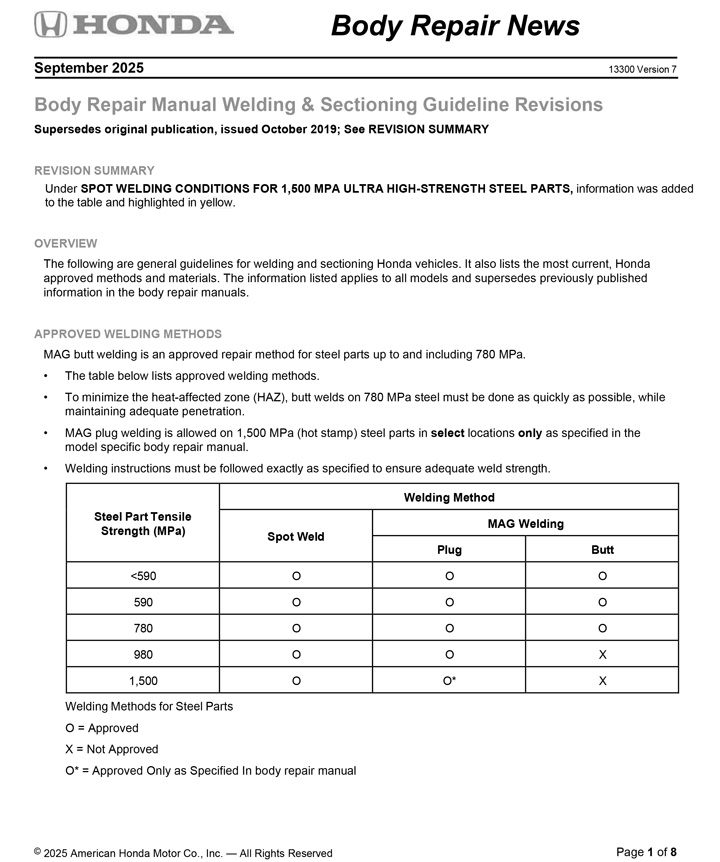
When Honda updated the Body Repair News: Body Repair Manual Welding & Sectioning Guideline Revisions in July there is a piece of information you may have missed. Let’s take a look.
RTS has put together a brief video highlighting each area of the RTS web portal, to help educate you on the types of information you will find in each area.
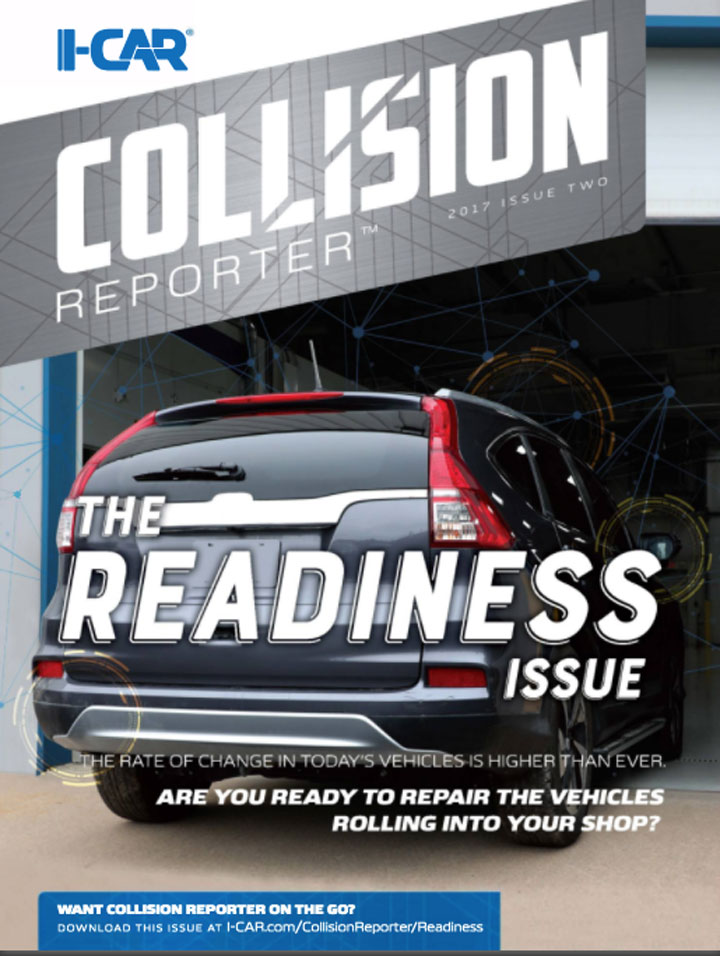
The second installment of the I-CAR Collision Reporter - The Readiness Issue has been released. The rate of change in today's vehicles is higher than ever. Are you ready to repair the vehicles rolling into your shop?
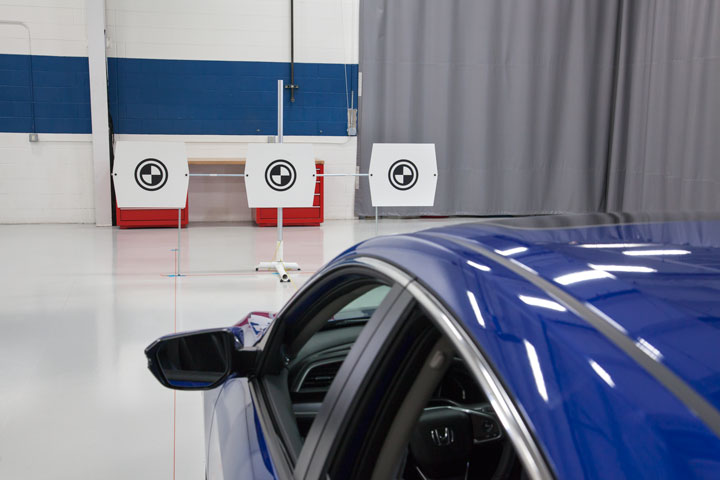
A key part of being able to diagnose a problem with advanced driver assistance systems (ADAS) is understanding how the system works. Knowing what is happening inside the system will help you properly diagnose why the system may be failing. This will prevent replacing parts that are not causing the system issue. Let’s take a look at what we learned with this series of articles.
Most refinish technicians have had a color they just can’t get to match to the vehicle. The chip looks good, but the sprayout doesn’t come close enough for a blendable match. However, there are situations where you may have the wrong spray technique. Some of the new colors on everyday vehicles require a unique and complex spray technique. A recent article by Repairer Driven News (RDN) shows and explains PPG’s process for refinishing Mazda’s Machine Gray. Let’s take a look at some highlights from this article.
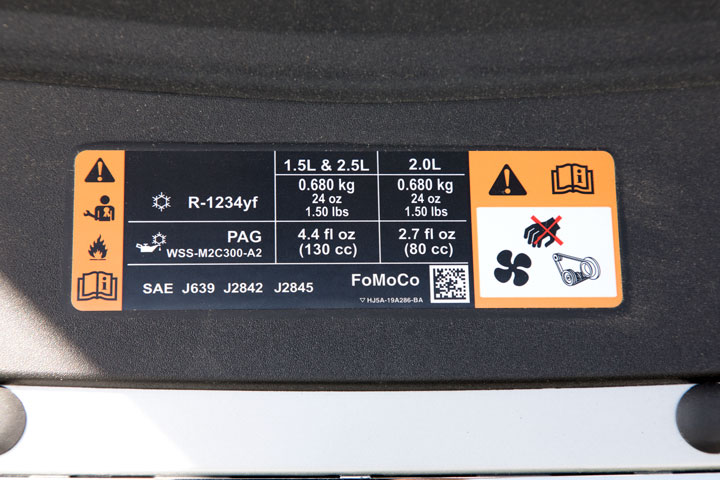
Starting January 1, 2018, the Environmental Protection Agency (EPA) will be requiring that technicians be certified in order to purchase refrigerants.

With winter months right around the corner, repair facilities need to be prepared for the inclement weather that is sure to come. Although ice and snow are great for the collision repair industry as far as bringing work in the door, it interferes with some aspects of the repair. Let’s take a look at how bad weather can impede the repair process.
What is the MPa of the front lower rail? What is outer uniside made of; steel, aluminum, or composite? Can heat be used to straighten or is it cold straightening only? What are the repair limitations? These are just some of the questions that the RTS team fields on a daily basis.
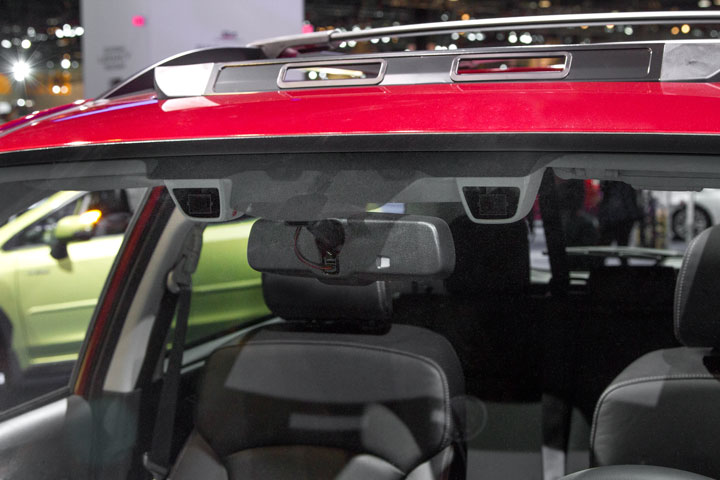
A key part of being able to diagnose a problem with advanced driver assistance systems (ADAS) is understanding how the system works. Knowing what is happening inside the system will help you properly diagnose why the system may be failing. This will prevent replacing parts that are not causing the system issue. Let’s take a look at the inner workings of lane departure warning/lane keep assist (LDW/LKA) systems.
With the growing demand for fuel efficiency, the use of mixed materials has and will continue to increase. A recent article by Repairer Driven News (RDN) titled, "Auto Body Shops Should Heed Mixed-Material, Welding Lessons from Automotive News Tesla Report," which talks about future material use and attachment. Let’s take a look at this article.
What is a one-time-use part, and how do you determine if a fastener, clip, or part can be reused? These are questions that we are confronted with in the collision industry quite a lot. The other big question is "Where do I find this information?"
On October 10th, Josh McFarlin, I-CAR Director of Curriculum and Product Development was a guest columnist for Repairer Driven News (RDN). He dove into the need to train for tomorrow’s repairs.

There’s no doubt that in the future autonomous, or self-driving cars, will be seen rolling down the road. Full autonomy brings with it the better crash statistics and the freedom to become mobile for those who currently can’t drive. Waymo, a cutting-edge company for self-driving vehicles, has released a safety report. Let’s take a look at Waymo’s Safety Report.
LORD Fusor products have been serving the automotive industry for years. Did you know that Fusor also provides a blog featuring informational repair adhesive articles on their website? Let’s take a look at what these articles entail and where to find them.
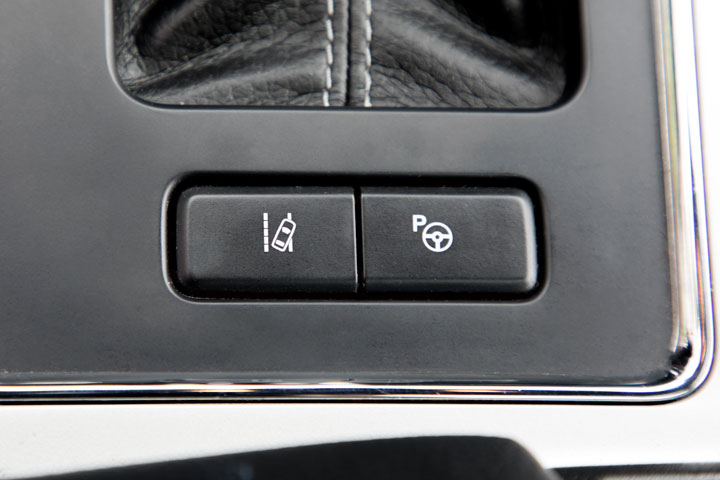
ABRN published a Damage Analysis for ADAS and Driver Convenience Systems article authored by Jason Bartanen, Industry Technical Relations Director at I-CAR. Let’s take a look at this article.
As the industry continues to ask if pre- and post-repair system scanning is necessary, Toyota/Lexus/Scion provides their answer.
Are you wondering if a particular OEM or organization has a published statement on pre-repair and post-repair scanning? We have compiled a list of most of the statements on the subject, so you can...
Since advanced driver assistance systems (ADAS), scanning, and calibration first started becoming relevant, members of the collision repair industry have required as much knowledge as possible on...
BMW has released a position statement related to pre- and post-repair system scanning. The statement applies to All vehicles equipped with on board diagnostics II (OBD II).
Honda /Acura has updated their position statement on pre- and post-repair scanning to give more clarification on what is expected for scanning.
The I-CAR best practice article, Recycled Outer Quarter Panels w/Rolled Hem Flanges has gotten a lot of interest from the collision repair industry. It’s important to know which vehicles are...
As the industry continues to ask, are pre- and post-repair scans necessary, General Motors provides their answer.
Over the past few months, we've been sharing OEM position statements on restraints wiring repairs. Now we're bringing them all together in one place for easy reference.
Technicians should be aware of what’s required to keep advanced driver assistance systems (ADAS) running safely after a collision. Whether that be aiming a camera, which can cause a system to not...
FCA/Stellantis has released a position statement related to pre- and post-repair system scanning.
Sometimes seeing is understanding, that’s why I-CAR's technical team created the Just in Time video series to guide you through a variety of collision repair topics from ADAS and EVs to repair tips...
I-CAR is having a discussion on Ford advanced driver assistance systems (ADAS) considerations.
General Motors (GM) has a position statement pertaining to trailer hitch repair.
Sometimes seeing is understanding, that’s why I-CAR's technical team created the Just in Time video series to guide you through a variety of collision repair topics from ADAS and EVs to repair tips...
As part of the I-CAR Repairability Technical Support (RTS) OEM linking pin activity, we are helping to connect the collision repair industry to the vehicle makers. We received technical inquiries...
Mazda, as with many other OEMs, has issued a pre- and post-repair scanning position statement. Let’s take a look at this position statement.
If you can’t find sectioning procedures for the part, that means you can’t section it, right? The question is more complex than that. Let’s take a closer look at the subject.
Honda released a Body Repair News bulletin for the 2026 Honda Prelude.
I-CAR had a discussion on the growing issue of counterfeit OEM repair and service parts.
Repairer Driven News (RDN) has published an article highlighting the General Motors (GM) restriction on parts for the front frame rail of battery electric vehicles (BEVs).