Close
|
|


|
|

Follow us on 
@Ask_ICAR for daily updates.
Your job requires that you keep on top of the latest in vehicle, tool, and equipment technology – I-CAR is committed to helping you do so in one convenient place. We regularly publish new articles highlighting the latest and greatest collision repair information.
So check back often and follow us on X @Ask_ICAR to ensure you’re equipped with the most up-to-date collision repair technical information available in the industry.
It’s auto show time and the highly anticipated Ford Ranger was shown off at the North American Auto Show. Some, but not all, details have been released on the Ranger. Repairer Driven News (RDN) published an article with some of the available details on the new midsize truck.
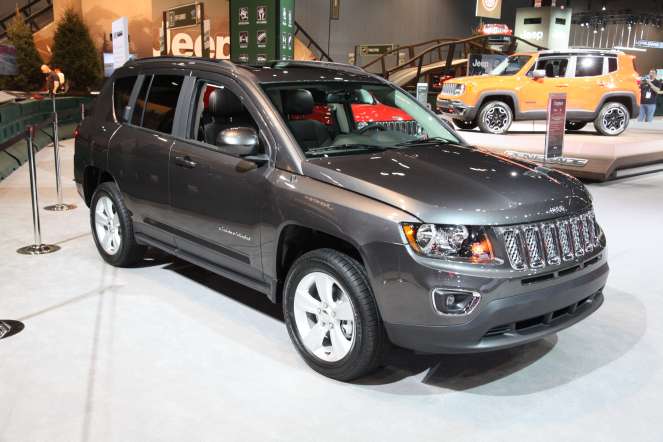
Have you replaced the driver's side rail extension on a 2007 - 2017 Jeep Compass? Did you notice that the service part did not come with the ground bolts? What should you do?
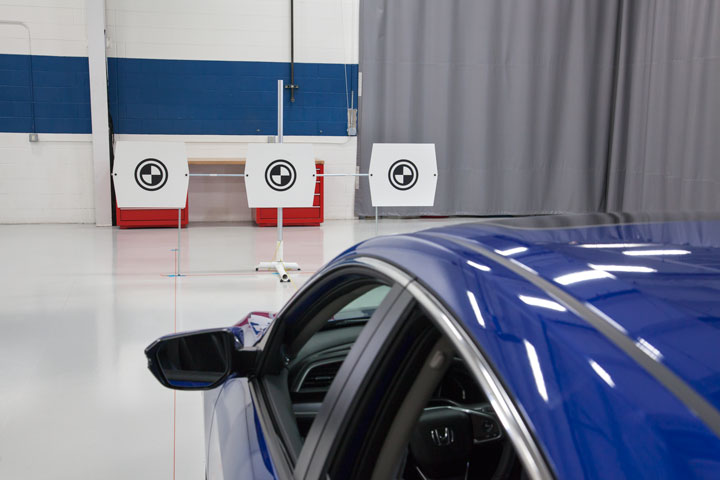
Collision repairs on vehicles equipped with advanced driver assistance systems (ADAS) can have more restrictions than vehicles without ADAS. Items that historically would be a simple repair may now need to be replaced. The ADAS needs to be able to see/sense in some way, whether it be by radar, camera-view, ultrasonic, etc. Repairers need to keep sensor/camera field of vision clear to avoid system malfunctions. For example, repair material that would normally be used to repair a gouge in a bumper cover is now a problem because it can block the sensor’s field of vision and may not allow the sensor to function properly.
The third installment of the I-CAR Collision Reporter - The Knowledge Issue has been released. Arm yourself with the right knowledge, at the right time. Are you prepared to share and/or increase your knowledge?
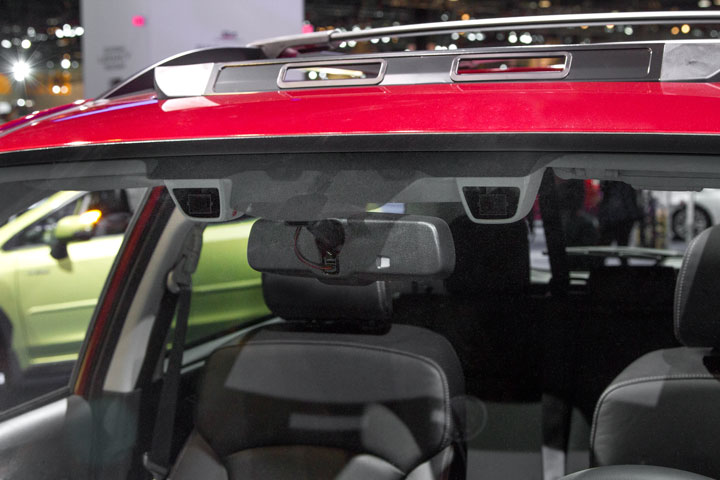
Collision repairs on vehicles equipped with advanced driver assistance systems (ADAS) can have more restrictions than vehicles without ADAS. Items that historically would be a simple repair may now need to be replaced. The ADAS needs to be able to see/sense in some way, whether it be by radar, camera-view, ultrasonic, etc. Repairers need to keep sensor/camera field of vision clear to avoid system malfunctions. For example, repair material that would normally be used to repair a gouge in a bumper cover is now a problem because it can block the sensor’s field of vision and may not allow the sensor to function properly.
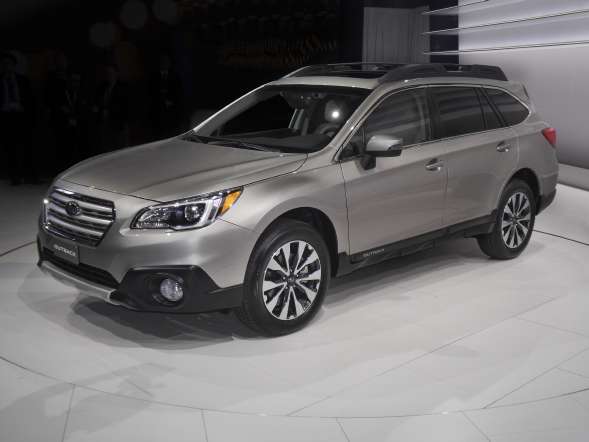
One of the top technical inquiries received at Ask I-CAR, “Is there a sectioning or partial replacement procedure available?” To help answer this question, RTS has an OEM Partial Part Replacement Search available. Here you will find information on if these procedures are available on a specific vehicle. Let’s take a closer look at the 2017 Subaru Outback.
An article by Repairer Driven News (RDN) talks about a the all new RAM 1500.
An article by Repairer Driven News (RDN) talks about the materials used on the 2019 RAM 1500.

FCA/Stellantis unveiled the new Jeep Wrangler for 2018. The new Wrangler (JL) will be produced for some time, along with the past generation Wrangler (JK) Both will be 2018 model years. Though the traditional Jeep styling has not strayed far from its roots, the Wrangler (JL) is a very different vehicle.
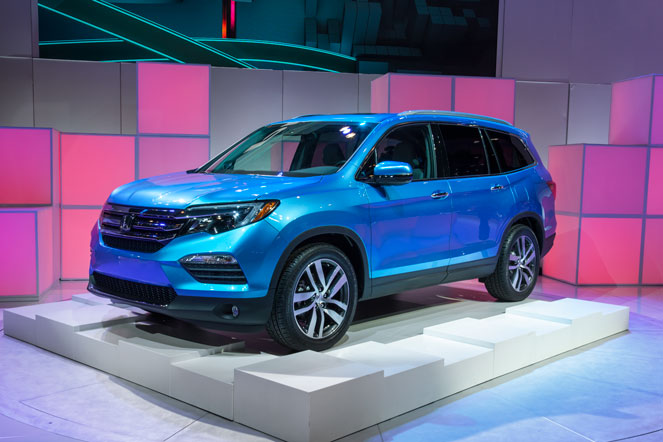
One of the top technical inquiries received at Ask I-CAR, “Is there a sectioning or partial replacement procedure available?” To help answer this question, RTS has an OEM Partial Part Replacement Search available. Here you will find information on if these procedures are available on a specific vehicle. Let’s take a closer look at the 2017 Honda Pilot.
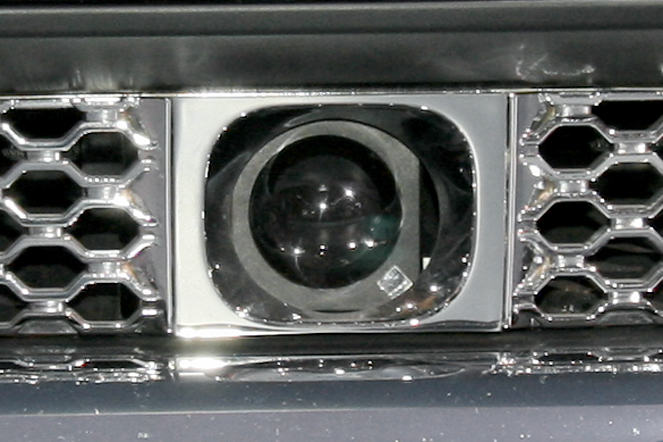
Collision repairs on vehicles equipped with advanced driver assistance systems (ADAS) can have more restrictions than vehicles without ADAS. Items that historically would be a simple repair may now need to be replaced. The ADAS needs to be able to see/sense in some way, whether it be by radar, camera-view, ultrasonic, etc. Repairers need to keep sensor/camera field of vision clear to avoid system malfunctions. For example, repair material that would normally be used to repair a gouge in a bumper cover is now a problem because it can block the sensor’s field of vision and may not allow the sensor to function properly.
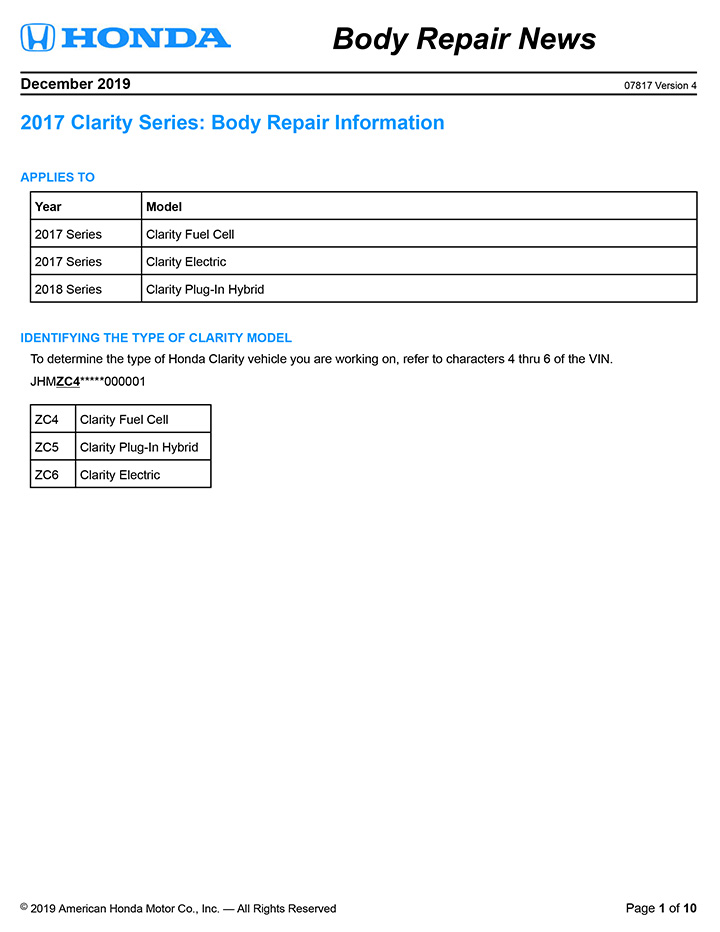
Honda released a Body Repair News bulletin for the 2017-2018 Honda Clarity series.
Society of Collision Repair Specialist (SCRS) and I-CAR have teamed up to create two videos that share with the industry just how important training has become. Each show is just over a half hour and is designed to be able to be shown during a lunch period.
Calibrations for advanced driver assistance systems (ADAS), and other vehicle systems, have become more relevant in recent years. Many OEMs are even making ADAS systems standard on certain vehicle models. Calibrations will most likely, if not already, become a part of daily life for the collision industry. Calibrations can be a long confusing procedure, with steps that need to be followed exactly. Are repairers performing these calibrations as intended?
As the industry continues to ask if pre- and post-repair system scanning is necessary, Toyota/Lexus/Scion provides their answer.
Are you wondering if a particular OEM or organization has a published statement on pre-repair and post-repair scanning? We have compiled a list of most of the statements on the subject, so you can...
Since advanced driver assistance systems (ADAS), scanning, and calibration first started becoming relevant, members of the collision repair industry have required as much knowledge as possible on...
BMW has released a position statement related to pre- and post-repair system scanning. The statement applies to All vehicles equipped with on board diagnostics II (OBD II).
Honda /Acura has updated their position statement on pre- and post-repair scanning to give more clarification on what is expected for scanning.
The I-CAR best practice article, Recycled Outer Quarter Panels w/Rolled Hem Flanges has gotten a lot of interest from the collision repair industry. It’s important to know which vehicles are...
As the industry continues to ask, are pre- and post-repair scans necessary, General Motors provides their answer.
Over the past few months, we've been sharing OEM position statements on restraints wiring repairs. Now we're bringing them all together in one place for easy reference.
Technicians should be aware of what’s required to keep advanced driver assistance systems (ADAS) running safely after a collision. Whether that be aiming a camera, which can cause a system to not...
FCA/Stellantis has released a position statement related to pre- and post-repair system scanning.
I-CAR had a discussion on Ford advanced driver assistance systems (ADAS) considerations.
Rivian R2 Material Matrix is now available on the RTS portal.
Are you looking for OEM emergency response guides (ERGs)? The Repairability Technical Support (RTS) team has located these guides and either houses them on the RTS website, provides links to...
Are you looking for OEM emergency response guides (ERGs)? The Repairability Technical Support (RTS) team has located these guides and either houses them on the RTS website, provides links to...
Bumper repairs on newer vehicles are more complicated due to advanced driver assistance systems (ADAS) features. Honda has something in the body repair manuals that will help with the decision and...
Are you looking for OEM emergency response guides (ERGs)? The Repairability Technical Support (RTS) team has located these guides and either houses them on the RTS website, provides links to...
Sometimes seeing is understanding, that’s why I-CAR's technical team created the Just in Time video series to guide you through a variety of collision repair topics from ADAS and EVs to repair tips...
General Motors (GM) has a position statement pertaining to trailer hitch repair.
Sometimes seeing is understanding, that’s why I-CAR's technical team created the Just in Time video series to guide you through a variety of collision repair topics from ADAS and EVs to repair tips...
As part of the I-CAR Repairability Technical Support (RTS) OEM linking pin activity, we are helping to connect the collision repair industry to the vehicle makers. We received technical inquiries...