Close
|
|


|
|

Follow us on 
@Ask_ICAR for daily updates.
Your job requires that you keep on top of the latest in vehicle, tool, and equipment technology – I-CAR is committed to helping you do so in one convenient place. We regularly publish new articles highlighting the latest and greatest collision repair information.
So check back often and follow us on X @Ask_ICAR to ensure you’re equipped with the most up-to-date collision repair technical information available in the industry.
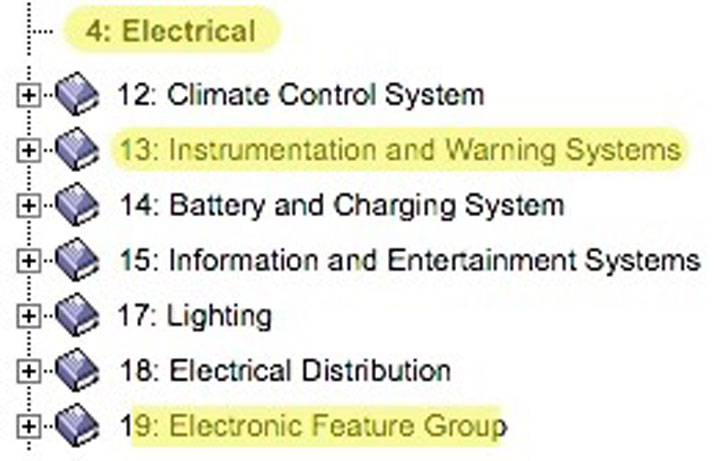
As a collision repair technician, there is one part of a service manual that houses all of the information you would ever need…right? This is not the case with modern vehicles. You may be required to look in numerous manuals to find the information required to safely repair the vehicle.
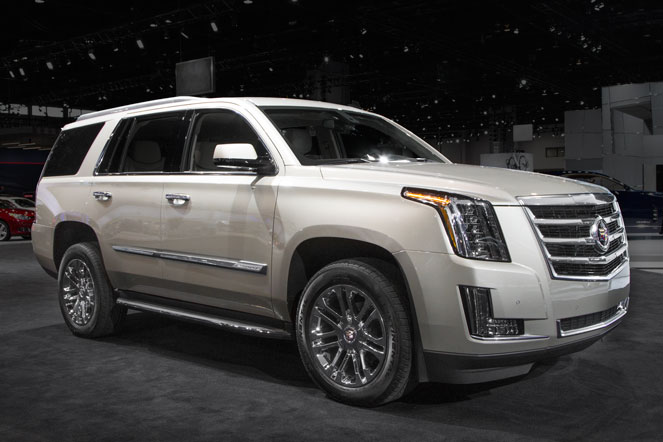
One of the top technical inquiries received at Ask I-CAR, "Is there a sectioning or partial replacement procedure available?" To help answer this question, RTS has an OEM Partial Part Replacement Search that tells you if these procedures are available on a specific vehicle. Let's take a closer look at the 2017 Cadillac Escalade.
An important part of collision repair is set up, measuring, and pulling on vehicles. Many technicians are either not comfortable with these steps, or simply don't know how to do it. Going hand-in-hand with this topic is repair tolerances, what is acceptable and what isn't. Repairer Driven News (RDN) published several articles that help shed light on these topics.
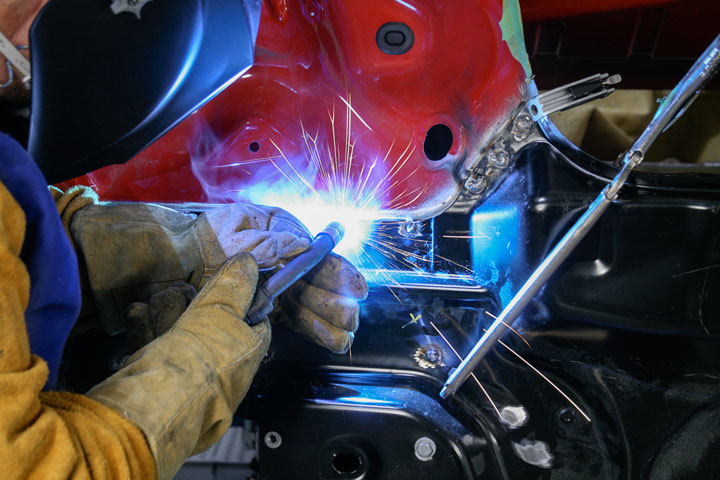
Normally the quality of a collision repair technician can be measured by whether or not you can tell they were ever there. Meaning that the damaged vehicle was returned to pre-collision condition. You shouldn’t be able to see welds, mismatched paint, or parts that don’t fit. We want to hide the fact that someone was there. However, sometimes the OEM does not make that possible.
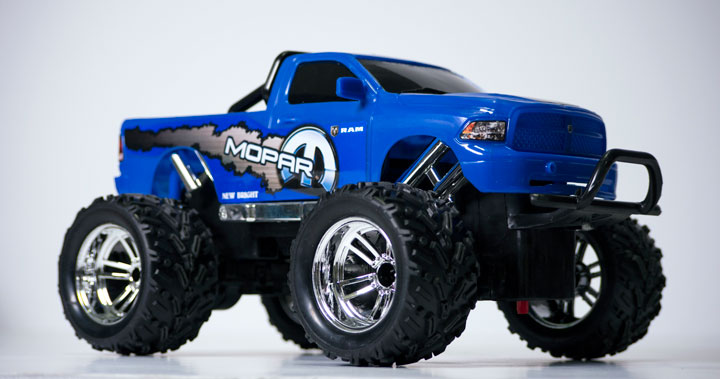
After watching the latest I-CAR 360 video, see below, on the 2018 New Bright R/C Ram, you may have some questions about the Unique Proprietary On-Board Wheel Alignment System (UPOBWAS) found on the vehicle. This article is designed to explain the system's simple operation and cover collision repair considerations.
Hyundai released two position statements this week relating to collision repair. Let’s take a look at what these statements are about.
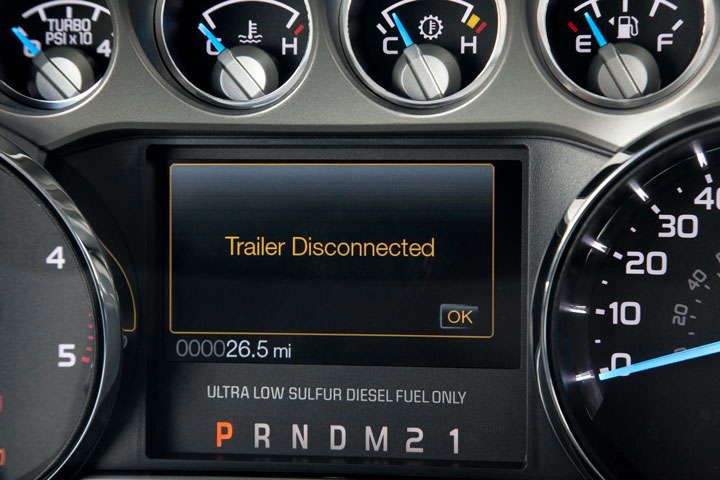
You may have heard or seen some of the new features available for towing trailers. Some of the features include, trailer back-up assist and blind spot monitoring for trailers. These features can cause complications when it comes to collision repairs. Let’s take a look at how these systems can affect repairs.

One of the top technical inquiries received at Ask I-CAR, “Is there a sectioning or partial replacement procedure available?” To help answer this question, RTS has an OEM Partial Part Replacement Search that tells you if these procedures are available on a specific vehicle. Let’s take a closer look at the 2017 Subaru Crosstrek.
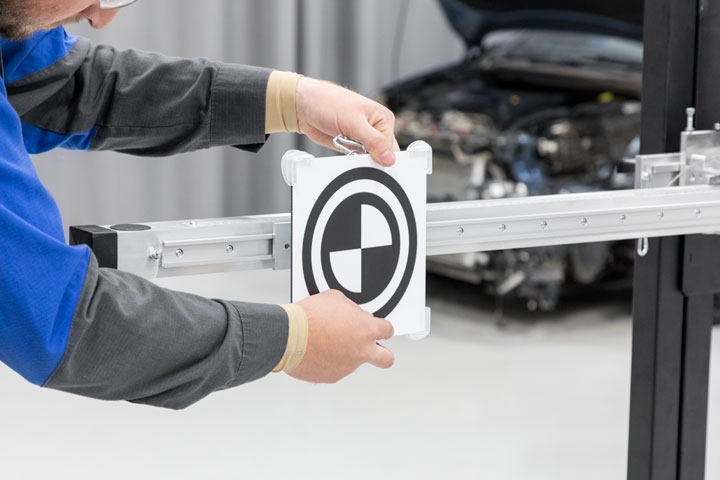
The word calibration is thrown around a lot in the collision industry today, but what does it actually mean to calibrate something? How does "calibrate" fit into other words that we use to describe similar processes, and what are some of the differences?
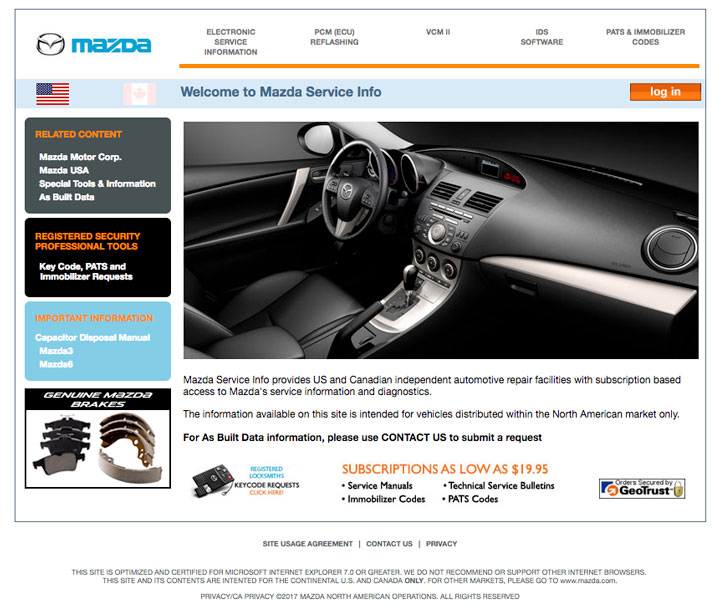
As part of the I-CAR Repairability Technical Support (RTS) OEM linking pin activity, we are helping to connect the collision repair industry to the vehicle makers. We recently noticed that some of the Mazda body repair manuals (BRM) were missing for certain model years. We reached out to Mazda for clarification.

One of the top technical inquiries received at Ask I-CAR, “Is there a sectioning or partial replacement procedure available?” To help answer this question, RTS has an OEM Partial Part Replacement Search that tells you if these procedures are available on a specific vehicle. Let’s take a closer look at the 2017 Acura TLX.
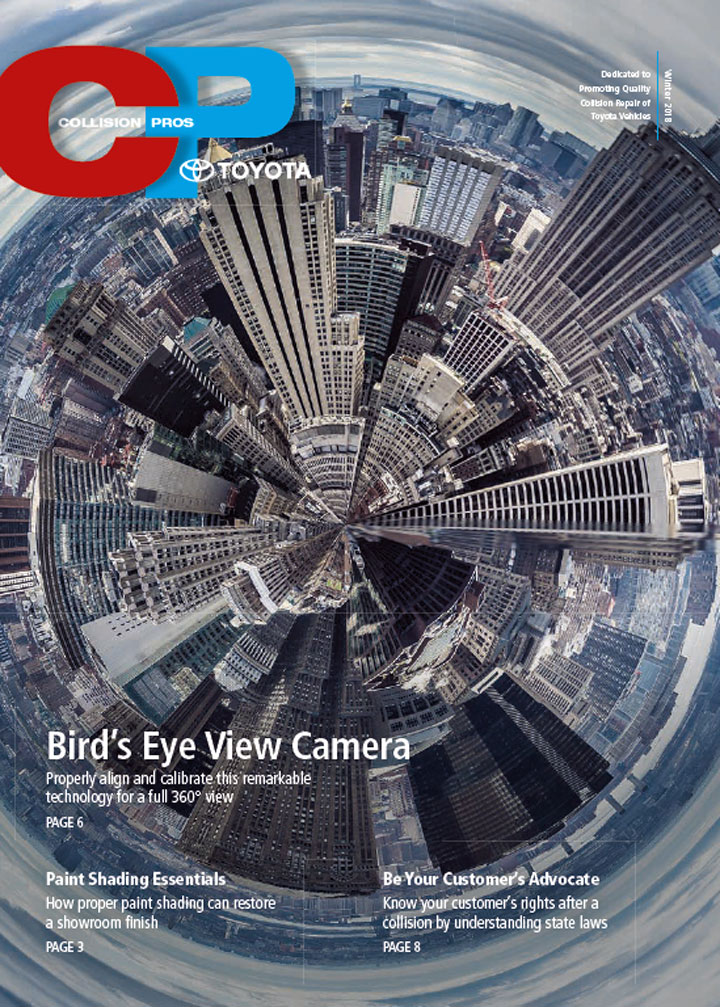
The Winter 2018 edition of Toyota Collision Pros Publication holds information on blending during refinishing, bird’s eye view (360°) camera system, and more. Let’s check out some highlights in this issue.
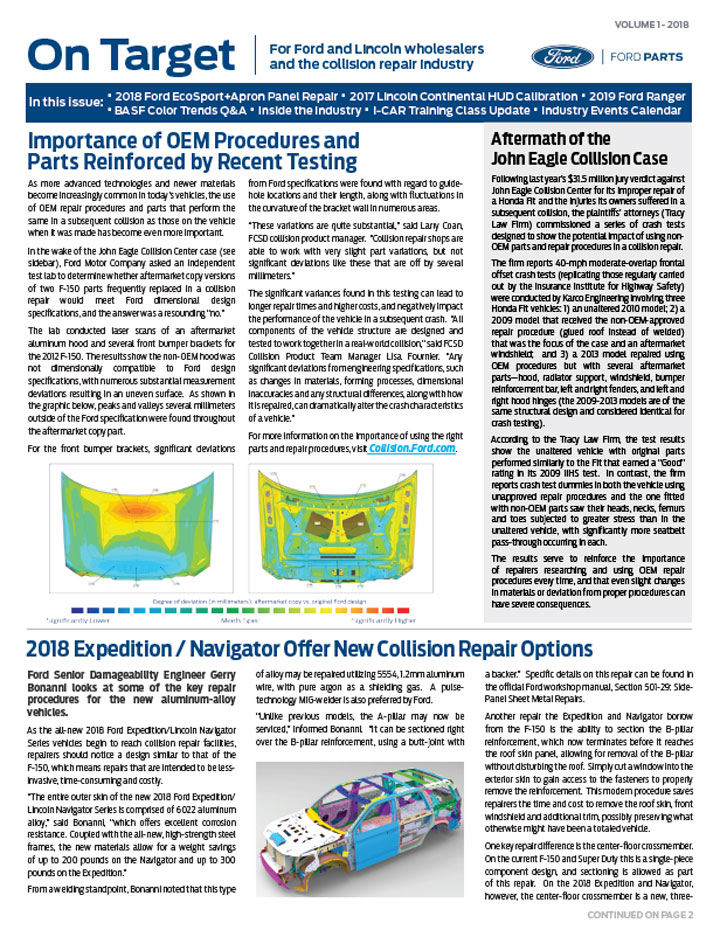
Ford has released the first installment of their On Target publication for 2018. Features of the issue include collision repair options for the new Expedition and Navigator, highlights of the new Ford EcoSport, information on the new Ford Ranger, and repair procedures for both the EcoSport and the Continental. Let’s take a look at this edition.
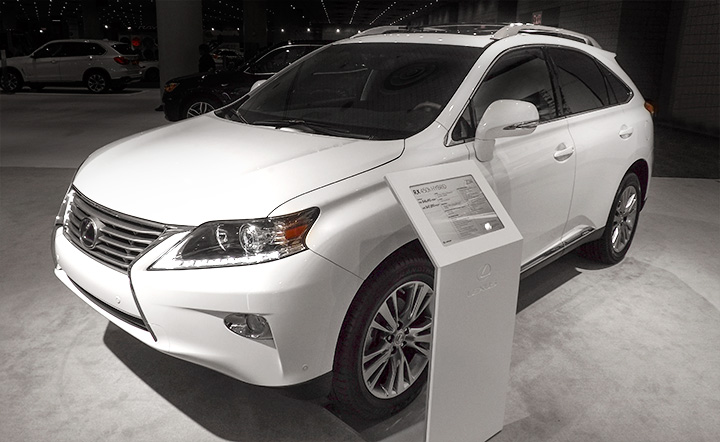
One of the top technical inquiries received at Ask I-CAR, “Is there a sectioning or partial replacement procedure available?” To help answer this question, RTS has an OEM Partial Part Replacement Search that tells you if these procedures are available on a specific vehicle. Let’s take a closer look at the 2017 Lexus RX 350.
When repairing a vehicle, there are several questions that always need to be answered before and during the repair process. Things like what parts can be straightened, can heat be used to straighten, what type of sectioning joint should be used, and precautions for welding are a few of the important questions. To aid in answering these questions Toyota/Lexus has a document that provides answers.
As the industry continues to ask if pre- and post-repair system scanning is necessary, Toyota/Lexus/Scion provides their answer.
Are you wondering if a particular OEM or organization has a published statement on pre-repair and post-repair scanning? We have compiled a list of most of the statements on the subject, so you can...
Since advanced driver assistance systems (ADAS), scanning, and calibration first started becoming relevant, members of the collision repair industry have required as much knowledge as possible on...
BMW has released a position statement related to pre- and post-repair system scanning. The statement applies to All vehicles equipped with on board diagnostics II (OBD II).
Honda/Acura has updated their position statement on pre- and post-repair scanning to give additional clarification on what is expected for scanning.
The I-CAR best practice article, Recycled Outer Quarter Panels w/Rolled Hem Flanges has gotten a lot of interest from the collision repair industry. It’s important to know which vehicles are...
As the industry continues to ask, are pre- and post-repair scans necessary, General Motors provides their answer.
Over the past few months, we've been sharing OEM position statements on restraints wiring repairs. Now we're bringing them all together in one place for easy reference.
Technicians should be aware of what’s required to keep advanced driver assistance systems (ADAS) running safely after a collision. Whether that be aiming a camera, which can cause a system to not...
FCA/Stellantis has released a position statement related to pre- and post-repair system scanning.
General Motors (GM) has a position statement on trailer hitch repair, first released in June 2026 and revised in September 2026.
Sometimes seeing is understanding, that’s why I-CAR's technical team created the Just in Time video series to guide you through a variety of collision repair topics from ADAS and EVs to repair tips...
Attending the SEMA Show in Las Vegas this year? Well, I-CAR will be providing many different opportunities to connect with you at this year’s show.
One of the top technical inquires received at Ask I-CAR, "Is there a sectioning or partial replacement procedure available?" To help answer this question, RTS has an OEM Partial Part Replacement...
One of the top technical inquiries received at Ask I-CAR, “Is there a sectioning or partial replacement procedure available?” To help answer this question, RTS has an OEM Partial Part Replacement...
I-CAR is having a discussion on FCA/Stellantis sectioning guidelines.
Sometimes, going back to basics can make the difference between a quality repair and a failed repair. There are a few things to keep in mind when it comes to GMA welding with adhesive bonding.
What should you do when a damaged Lucid comes into your repair facility? Do you measure it? Can it be straightened? What needs to be replaced?
We are often asked, “What do I do if there isn’t a procedure to replace a service part?” Let’s see what Toyota/Lexus says.
As the industry continues to ask, are pre- and post-repair scans necessary, Lucid provides their answer.