Close
|
|


|
|
Follow us on 
@Ask_ICAR for daily updates.
Your job requires that you keep on top of the latest in vehicle, tool, and equipment technology – I-CAR is committed to helping you do so in one convenient place. We regularly publish new articles highlighting the latest and greatest collision repair information.
So check back often and follow us on X @Ask_ICAR to ensure you’re equipped with the most up-to-date collision repair technical information available in the industry.
What is the MPa of the front lower rail? What is the outer uniside made of: steel, aluminum, or composite? Can heat be used to straighten or is it cold straightening only? What are the repair limitations? These are just some of the questions that the RTS team fields on a daily basis.
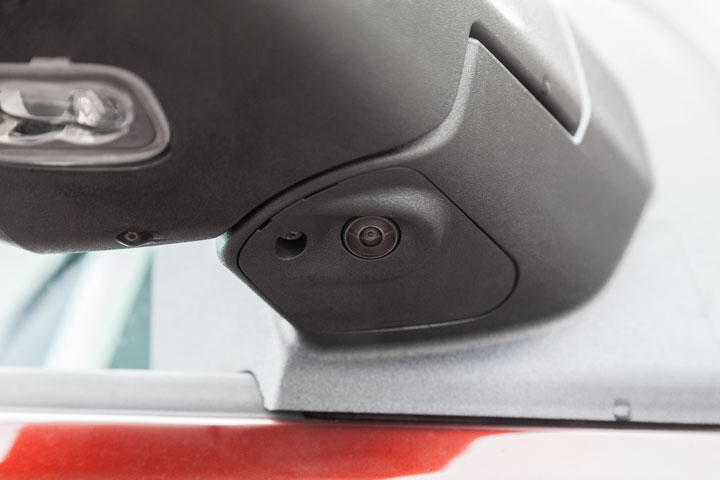
A key part of being able to diagnose a problem with advanced driver assistance systems (ADAS) is understanding how the system works. Knowing what is happening inside the system will help you properly diagnose why the system may be failing. This will prevent replacing parts that are not causing the system issue. Let’s take a look at the inner workings of a 360° camera view system.
A key factor in collision repair is making long-lasting repairs. When a vehicle is repaired, many areas of corrosion protection are disturbed. This creates corrosion hot spots that left untreated will lead to corrosion and potentially a repair failure. However, there are certain precautions that can be taken to safely and properly restore the corrosion protection throughout the repair process. OEMs often give specifications on restoring corrosion protection. These specifications generally include seam sealer, adhesives, foam fillers, and cavity waxes. Let’s take a look at what Mazda says.
The addition of the OEM Calibration Requirements Search to the RTS portal was a big step for the collision industry. While this new feature has been well received, there has been some confusion about what is included in the search tool. The OEM Calibration Requirements Search is designed to provide information on the calibration requirements that are needed for vehicles equipped with advanced driver assistance systems (ADAS). This includes systems such as adaptive cruise control, lane keep assist, and collision braking.
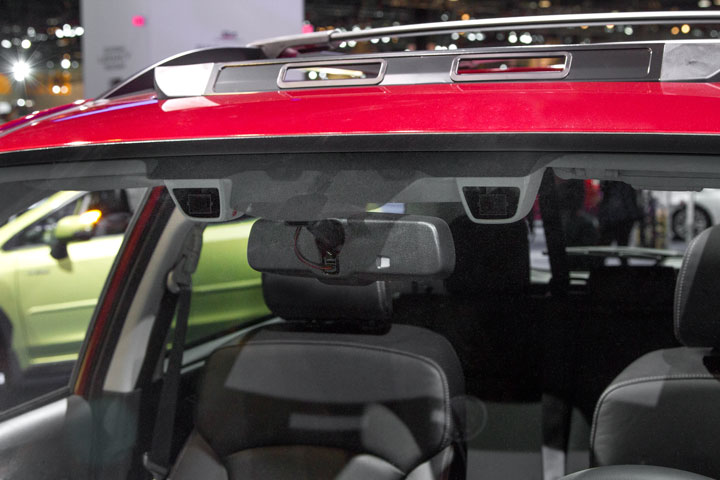
A key part of being able to diagnose a problem with advanced driver assistance systems (ADAS) is understanding how the system works. Knowing what is happening inside the system will help you properly diagnose why the system may be failing. This will prevent replacing parts that are not causing the system issue. Let’s take a look at the inner workings of a collision warning and collision braking system.
What is the MPa of the front lower rail? What is the outer uniside made of: steel, aluminum, or composite? Can heat be used to straighten or is it cold straightening only? What are the repair limitations? These are just some of the questions that the RTS team fields on a daily basis.
Many of the 2015-2020 Ford F-150s come with factory installed running boards. If you have had to replace the inner rocker panel lately, you may have noticed that the replacement inner rocker panel was missing hardware to install the running board after replacement. So, we reached out to our contacts at Ford to find the answer to this problem.
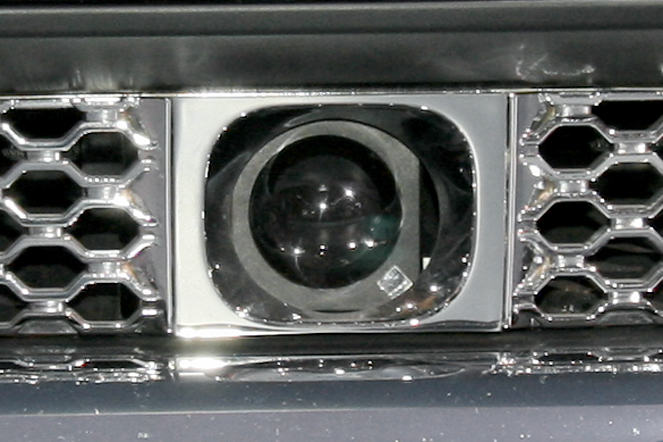
A key part of being able to diagnose a problem with advanced driver assistance systems (ADAS) is understanding how the system works. Knowing what is happening inside the system will help you properly diagnose why the system may be failing. This will prevent replacing parts that are not causing the system issue. Let’s take a look at the inner workings of an adaptive cruise control system (ACC).
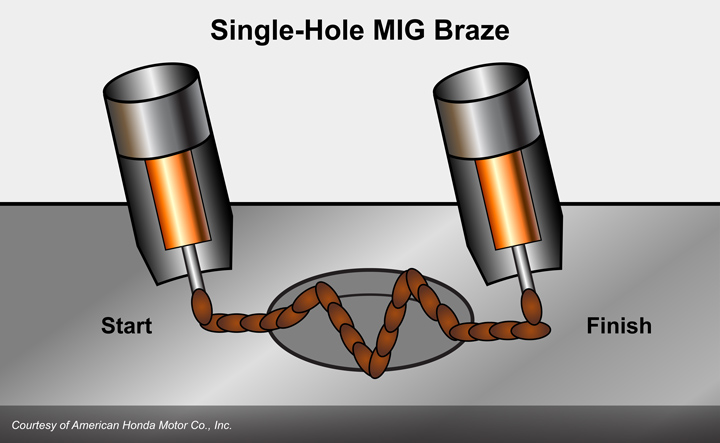
ABRN published an article today titled, "MIG Brazing Basics," authored by Jason Bartanen, Director of Industry Technical Relations at I-CAR. Let’s take a look at this article.
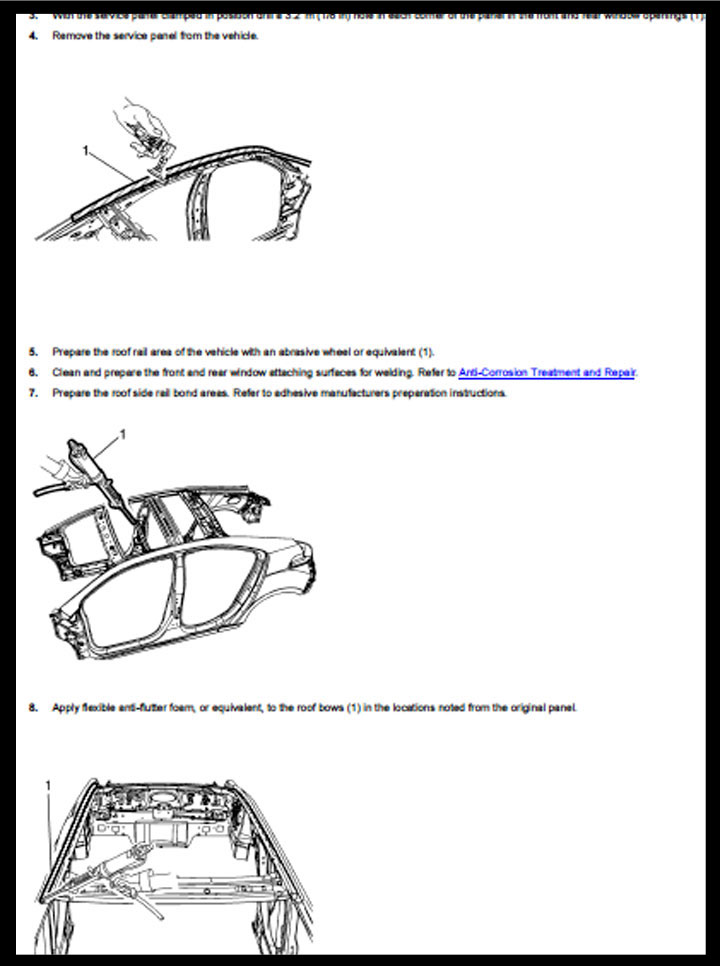
When a vehicle is produced at the factory, speed of production is a major factor for the OEM. This means that a lot of time and money is invested into machines that can produce a quality product in a short amount of time. However, the collision repair industry does not often have access to the same technology used on the factory floor. The OEMs recognize that a method used at the factory will not always be possible during repair. Also, some vehicles have global platforms and the OEMs know that certain products may not be available in all areas of the world. By taking this into account, OEMs create repair procedures to fit the collision repair industry while maintaining the safety and quality that the vehicle had from the factory. So when looking at a repair procedure, the procedure may specify to use a material that was not originally used on the vehicle during assembly. Let’s take a closer look at some of the differences.
What is the MPa of the front lower rail? What is the outer uniside made of: steel, aluminum, or composite? Can heat be used to straighten or is it cold straightening only? What are the repair limitations? These are just some of the questions that the RTS team fields on a daily basis.
What’s on the repair agenda for 2018 GM vehicles? The expanded use of squeeze-type resistance spot welding (STRSW) over plug welds in the collision repair process. Repairer Driven News (RDN) published an article highlighting this upcoming change.
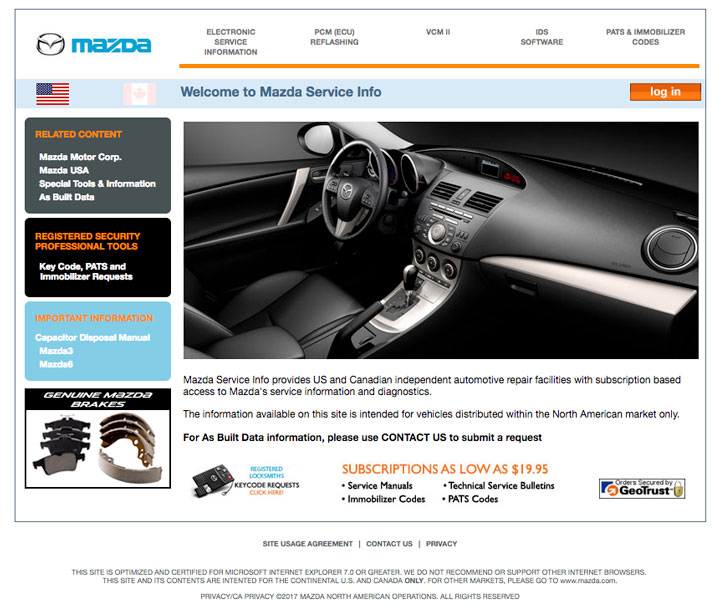
Mazda has redesigned their repair information website. Let’s take a look at the new setup of Mazda’s website.
A key factor in collision repair is making long-lasting repairs. When a vehicle is repaired, many areas of corrosion protection are disturbed. This creates corrosion hot spots that left untreated will lead to corrosion and potentially a repair failure. However, there are certain precautions that can be taken to safely and properly restore the corrosion protection throughout the repair process. OEMs often give specifications on restoring corrosion protection. These specifications generally include seam sealer, adhesives, foam fillers, and cavity waxes. Let’s take a look at what Kia says.
The addition of the OEM Calibration Requirements Search to the RTS portal was a big step for the collision industry. While this new feature has been well received, there has been some confusion about what is included in the search tool. The OEM Calibration Requirements Search is designed to provide information on the calibration requirements that are needed for vehicles equipped with advanced driver assistance systems (ADAS). This includes systems such as adaptive cruise control, lane keep assist, and collision braking.
As the industry continues to ask if pre- and post-repair system scanning is necessary, Toyota/Lexus/Scion provides their answer.
Are you wondering if a particular OEM or organization has a published statement on pre-repair and post-repair scanning? We have compiled a list of most of the statements on the subject, so you can...
Since advanced driver assistance systems (ADAS), scanning, and calibration first started becoming relevant, members of the collision repair industry have required as much knowledge as possible on...
BMW has released a position statement related to pre- and post-repair system scanning. The statement applies to All vehicles equipped with on board diagnostics II (OBD II).
Honda/Acura has updated their position statement on pre- and post-repair scanning to give additional clarification on what is expected for scanning.
The I-CAR best practice article, Recycled Outer Quarter Panels w/Rolled Hem Flanges has gotten a lot of interest from the collision repair industry. It’s important to know which vehicles are...
As the industry continues to ask, are pre- and post-repair scans necessary, General Motors provides their answer.
Over the past few months, we've been sharing OEM position statements on restraints wiring repairs. Now we're bringing them all together in one place for easy reference.
Technicians should be aware of what’s required to keep advanced driver assistance systems (ADAS) running safely after a collision. Whether that be aiming a camera, which can cause a system to not...
FCA/Stellantis has released a position statement related to pre- and post-repair system scanning.
One of the top technical inquires received at Ask I-CAR, "Is there a sectioning or partial replacement procedure available?" To help answer this question, RTS has an OEM Partial Part Replacement...
One of the top technical inquiries received at Ask I-CAR, “Is there a sectioning or partial replacement procedure available?” To help answer this question, RTS has an OEM Partial Part Replacement...
I-CAR is having a discussion on FCA/Stellantis sectioning guidelines.
Sometimes, going back to basics can make the difference between a quality repair and a failed repair. There are a few things to keep in mind when it comes to GMA welding with adhesive bonding.
What should you do when a damaged Lucid comes into your repair facility? Do you measure it? Can it be straightened? What needs to be replaced?
We are often asked, “What do I do if there isn’t a procedure to replace a service part?” Let’s see what Toyota/Lexus says.
As the industry continues to ask, are pre- and post-repair scans necessary, Lucid provides their answer.
I-CAR had a discussion on Ford advanced driver assistance systems (ADAS) considerations.
Rivian R2 Material Matrix is now available on the RTS portal.
Are you looking for OEM emergency response guides (ERGs)? The Repairability Technical Support (RTS) team has located these guides and either houses them on the RTS website, provides links to...