Close
|
|


|
|

Follow us on 
@Ask_ICAR for daily updates.
Your job requires that you keep on top of the latest in vehicle, tool, and equipment technology – I-CAR is committed to helping you do so in one convenient place. We regularly publish new articles highlighting the latest and greatest collision repair information.
So check back often and follow us on X @Ask_ICAR to ensure you’re equipped with the most up-to-date collision repair technical information available in the industry.

One of the top technical inquiries received at Ask I-CAR is, “Is there a sectioning or partial replacement procedure available?” To help answer this question, RTS has an OEM Partial Part Replacement Search that tells you if these procedures are available on a specific vehicle. Let’s take a closer look at the 2017 Jeep Cherokee.
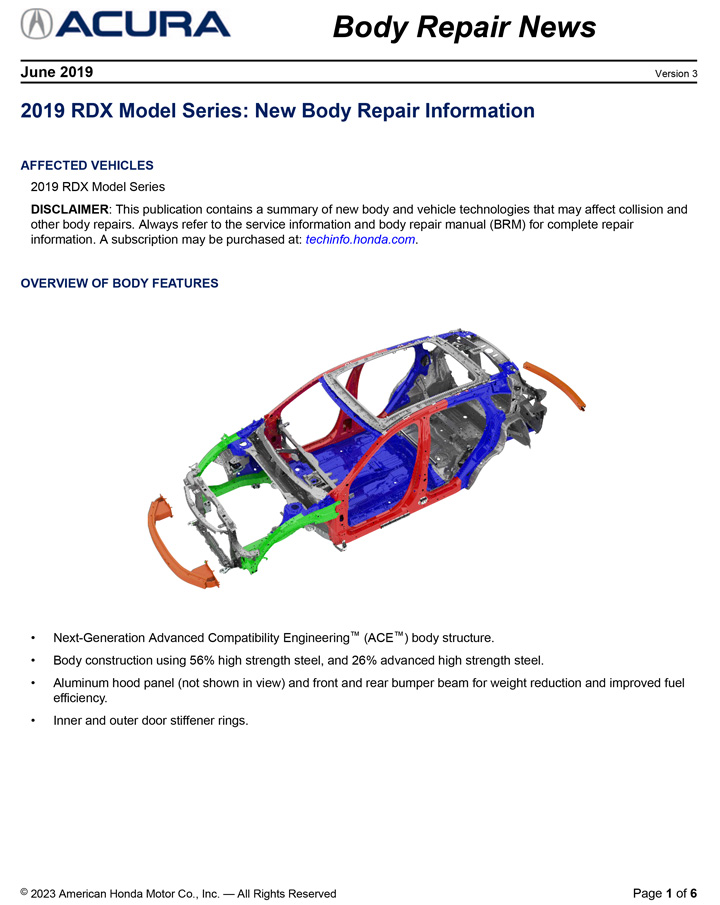
Acura released a Body Repair News bulletin on the 2019-present Acura RDX .

Abraham Lincoln once said, “Don't believe everything you see on the internet….” While that statement is only partially true, it is an unfortunate reality for some recent advanced driver assistance systems (ADAS) calibration ‘procedures’ we’ve seen. Some of the procedures will allow the system to calibrate, however, there is a dangerous consequence to relying on a YouTube video to calibrate a system; it likely won’t result in a complete, safe, quality repair.
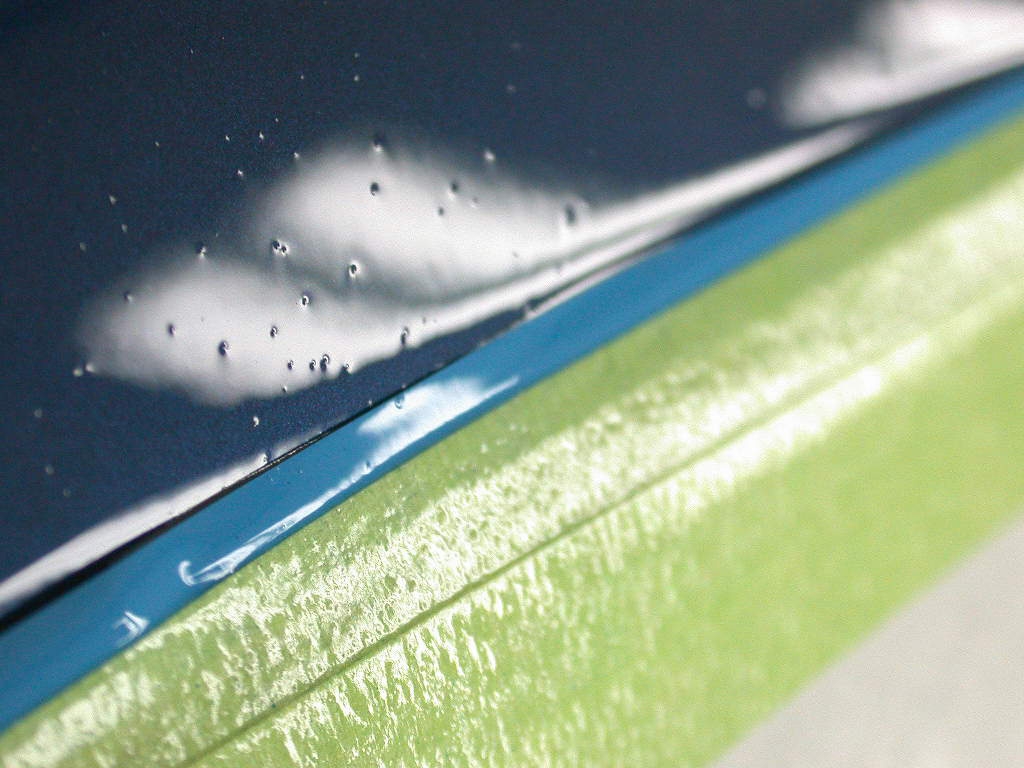
Sometimes, going back to the basics can make the difference between a quality repair and a failed repair. When it comes to preparing a surface for refinishing, it is easy to make simple mistakes that can lead to small bubbles or pinholes in the surface of the paint. This is commonly known as solvent popping.

One of the top technical inquiries received at Ask I-CAR is, “Is there a sectioning or partial replacement procedure available?” To help answer this question, RTS has an OEM Partial Part Replacement Search that tells you if these procedures are available on a specific vehicle. Let’s take a closer look at the 2017 Accord Hybrid.
As a collision repair technician, there is one part of a service manual that houses all of the information you would ever need…right? This is not the case with modern vehicles. You may be required to look in numerous manuals to find the information required to safely repair the vehicle.

As a collision repair technician, there is one part of a service manual that houses all of the information you would ever need…right? This is not the case with modern vehicles. You may be required to look in numerous manuals to find the information required to safely repair the vehicle.
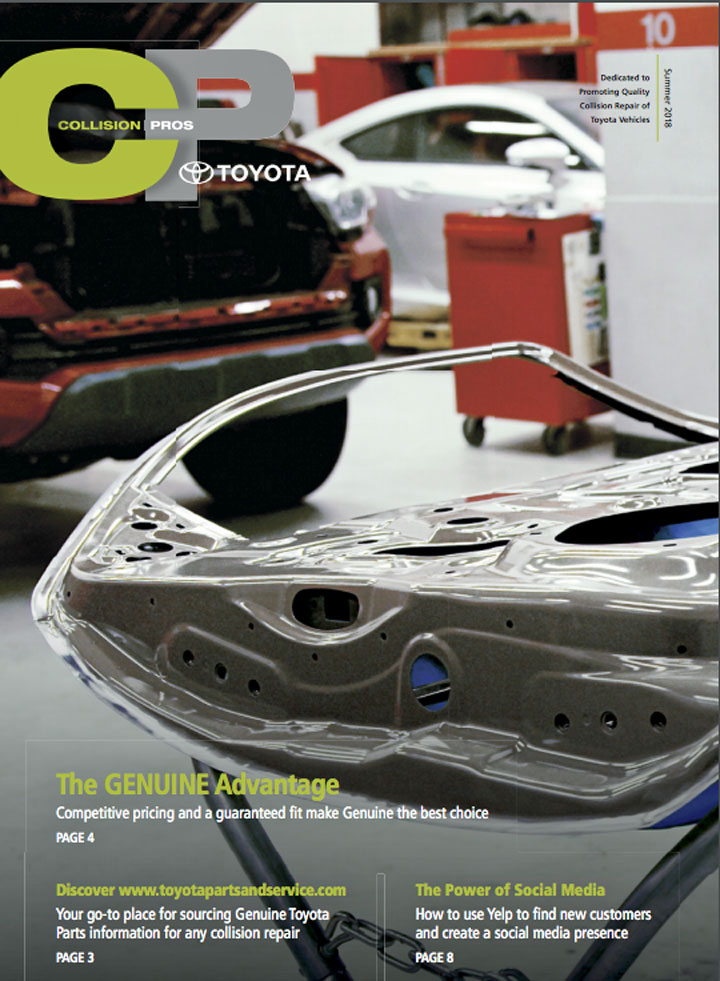
Advanced driver assistance systems (ADAS) is now common on many vehicles. Toyota/Lexus are making certain ADAS standard on their entire lineup. So, what does that mean for collision repairers? An article in the Summer 2018 issue of Toyota Collision Pros magazine covers some of this information.
According to gmrepairinsights.com, there are rules that must be followed when using impact resistant (I.R.) structural adhesives. Per Bob Hiser, GM Lead Service Engineer, “The glue doesn’t tell you what it is or how to fix it.” This means that being trained and following the OEM repair instructions are crucial to a proper repair.
The 2019 Hyundai Santa Fe is bringing a new feature in child safety, called safe exit assist, which is standard on all trim levels. This concept expands on the traditional child safety lock which prevents passengers in the rear of the vehicle from opening doors and windows. To complement this feature, safe exit assist can help avoid catastrophe by preventing a child from opening the door when the vehicle is parked, and traffic is approaching from the rear.

One of the top technical inquiries received at Ask I-CAR is, “Is there a sectioning or partial replacement procedure available?” To help answer this question, RTS has an OEM Partial Part Replacement Search that tells you if these procedures are available on a specific vehicle. Let’s take a closer look at the 2018 Honda Fit.
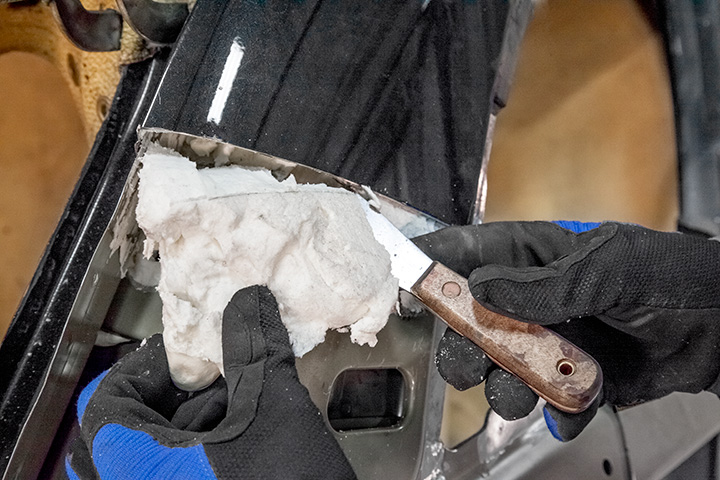
Sometimes, going back to the basics can make the difference between a quality repair and a failed repair. When it comes to reading repair procedures, there are some common mistakes that are easily avoidable and can have a huge effect on the durability of the repair.

As a collision repair technician, there is one part of a service manual that houses all of the information you would ever need…right? This is not the case with modern vehicles. You may be required to look in numerous manuals to find the information required to safely repair the vehicle.
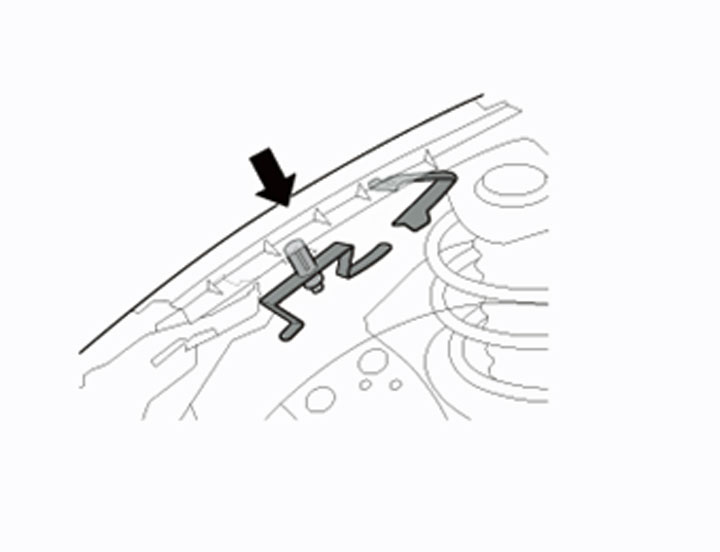
Recently, a repair facility had a question on pedestrian protection bracket repairability. A pedestrian protection bracket tends to be used for mounting fenders to the upper rail. The bracket is designed to be collapsible in the event that a pedestrian gets hit by the vehicle and lands on the hood/fenders. The bracket will collapse, which will dampen the blown to the pedestrian. I-CAR Repairability Technical Support (RTS) reached out to Honda for clarification.
Sometimes, going back to the basics can make the difference between a quality repair and a failed repair. When it comes to reading the body repair manual, there are some common mistakes that are easily avoidable and can have a huge effect on the durability of the repair.
As the industry continues to ask if pre- and post-repair system scanning is necessary, Toyota/Lexus/Scion provides their answer.
Are you wondering if a particular OEM or organization has a published statement on pre-repair and post-repair scanning? We have compiled a list of most of the statements on the subject, so you can...
Since advanced driver assistance systems (ADAS), scanning, and calibration first started becoming relevant, members of the collision repair industry have required as much knowledge as possible on...
BMW has released a position statement related to pre- and post-repair system scanning. The statement applies to All vehicles equipped with on board diagnostics II (OBD II).
Honda/Acura has updated their position statement on pre- and post-repair scanning to give additional clarification on what is expected for scanning.
The I-CAR best practice article, Recycled Outer Quarter Panels w/Rolled Hem Flanges has gotten a lot of interest from the collision repair industry. It’s important to know which vehicles are...
As the industry continues to ask, are pre- and post-repair scans necessary, General Motors provides their answer.
Over the past few months, we've been sharing OEM position statements on restraints wiring repairs. Now we're bringing them all together in one place for easy reference.
Technicians should be aware of what’s required to keep advanced driver assistance systems (ADAS) running safely after a collision. Whether that be aiming a camera, which can cause a system to not...
FCA/Stellantis has released a position statement related to pre- and post-repair system scanning.
Attending the SEMA Show in Las Vegas this year? Well, I-CAR will be providing many different opportunities to connect with you at this year’s show.
One of the top technical inquires received at Ask I-CAR, "Is there a sectioning or partial replacement procedure available?" To help answer this question, RTS has an OEM Partial Part Replacement...
One of the top technical inquiries received at Ask I-CAR, “Is there a sectioning or partial replacement procedure available?” To help answer this question, RTS has an OEM Partial Part Replacement...
I-CAR is having a discussion on FCA/Stellantis sectioning guidelines.
Sometimes, going back to basics can make the difference between a quality repair and a failed repair. There are a few things to keep in mind when it comes to GMA welding with adhesive bonding.
What should you do when a damaged Lucid comes into your repair facility? Do you measure it? Can it be straightened? What needs to be replaced?
We are often asked, “What do I do if there isn’t a procedure to replace a service part?” Let’s see what Toyota/Lexus says.
As the industry continues to ask, are pre- and post-repair scans necessary, Lucid provides their answer.
I-CAR had a discussion on Ford advanced driver assistance systems (ADAS) considerations.
Rivian R2 Material Matrix is now available on the RTS portal.