
 Print
Print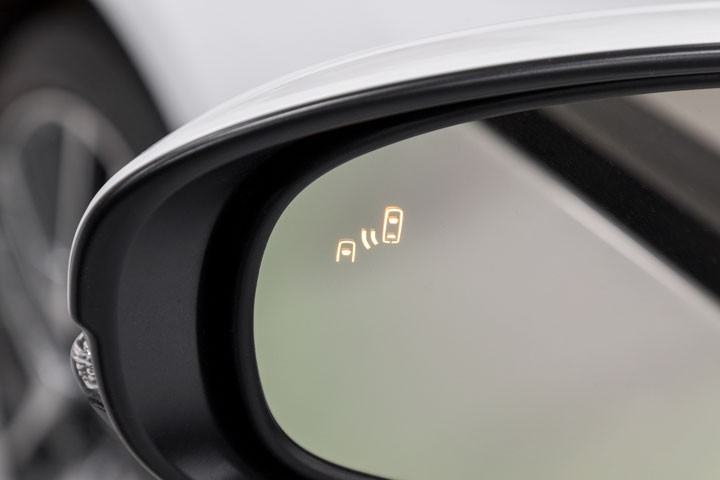
Collision repairs on vehicles equipped with advanced driver assistance systems (ADAS) can have more restrictions than vehicles without ADAS. Items that historically would be a simple repair may now need to be replaced. The ADAS needs to be able to see/sense in some way, whether it be by radar, camera-view, ultrasonic, etc. Repairers need to keep sensor/camera field of vision clear to avoid system malfunctions. For example, repair material that would normally be used to repair a gouge in a bumper cover is now a problem because it can block the sensor’s field of vision and may not allow the sensor to function properly.
Some OEMs have warnings against making repairs in front of sensors/cameras or a certain distance from the sensors/cameras. However, many times there is also a list of other items that can block the sensor/camera view. Let’s take a look at some common things or materials that can interfere with the blind spot detection system (BSD).
Blind spot monitoring systems primarily use radar sensors behind the rear bumper. Radar sensors work by sending radio waves that are reflected off of objects. The time it takes for the radio wave to return indicates how far the object is away, how big the object is, and what direction the object is traveling.
With the radar being behind the bumper cover, the radio waves sent out by the sensor needs to pass through the substrate that is in front of them. Passing through a plastic bumper cover can slow down the radio waves. This is programmed into the radar sensors to consider the slower rate. However, when other materials, such as bumper repair material, are in the sensors field of vision, it can slow down the radio waves even more. This can cause false readings from the radar unit. Many OEMs warn against repairing bumper covers that are damaged in front of or near a BSD sensor. Some examples of OEMs with this warning are Acura, Nissan, BMW, Mazda, Subaru, Toyota, and Lexus.
Mud, dirt, rain, snow, and stickers can also impede the sensors function. Radars are designed to bounce off of metal objects. For this reason, any kind of metallic or reflective tape, sticker, or material can block the radar altogether. Refinish material can cause problems for radar sensors also. Excessive buildup of refinish material can block radar waves, so can some types of metallic in refinish materials.
To prevent impeding the ability of the ADAS to function and potentially fail, check OEM repair information to identify what restrictions may apply to the repairs you are considering. Always verify that the ADAS is functioning properly after completing repairs.
Additional I-CAR Collision Repair News you may find helpful:
- ADAS, Calibration, And Scanning Article Hotspot
- Typical Calibration Requirements For Blind Spot Sensors
- Understanding The Blind Spot Detection System
- When ADAS Can't See
Related I-CAR Courses
Article validated in 2025